For compact tractors, horsepower is mainly about matching the tractor’s power to your tasks and implements, not just picking the biggest number.
What “horsepower” means
Horsepower is a measure of how much work the engine can do over time; more HP lets a tractor pull harder, lift more, or run bigger implements. Compact tractors are usually rated by engine horsepower, but many implements care more about PTO horsepower (the power available at the rear shaft to run things like mowers or tillers).
Typical HP ranges for compact tractors
-
Subcompact tractors: about 15–25 HP, aimed at large gardens, lawns, and light chores.
-
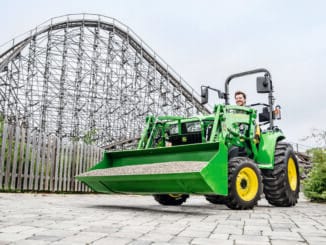
Compact utilities: roughly 20–60 HP, used on properties from a couple of acres up to 50+ acres, doing mowing, loader work, light tillage, and general maintenance.
-
For many small farms (1–5 acres), 15–35 HP is typical; medium properties often step up to 36–50 HP.
Matching HP to common tasks
-
Basic mowing and light loader work: about 25–40 HP is usually sufficient.
-
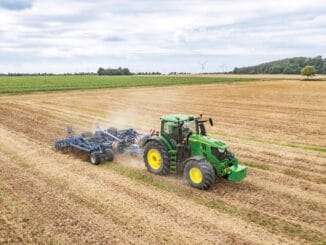
Regular tilling, light plowing, box blade work, and cultivation: often 25–50 HP (with enough PTO HP for the implement).
-
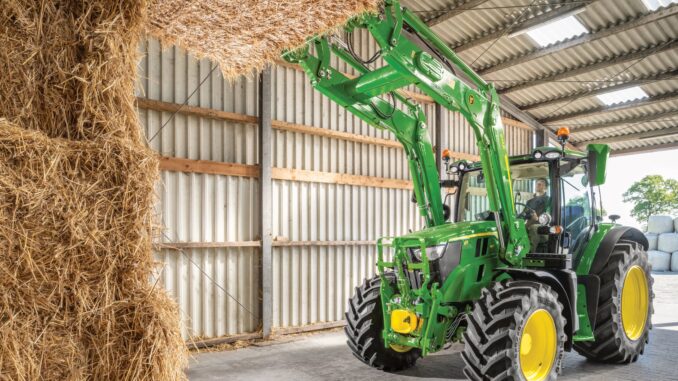
Heavier loader work, backhoe use, larger rotary cutters, or snow blowers: usually 40–60+ HP or higher PTO HP, depending on implement size.
Engine HP vs PTO HP
Many compact tractors advertise engine HP, but PTO HP is lower due to drivetrain losses, and that PTO figure is what implement makers specify. For example, a 35 HP engine tractor might have only around 28–30 PTO HP, so you’d size your mower, tiller, or blower to that lower number.
Simple rule-of-thumb for choosing
-
List your regular jobs (e.g., 5‑ft rotary cutter, 4‑ft tiller, loader work).
-
Check the PTO HP needed for the “hungriest” implement and ensure your tractor meets or slightly exceeds it.
-
Consider your acreage: under ~5 acres with light work can live in the 20–30 HP range; more acres or heavier soil/loads often justify 30–50+ HP.
Understanding the Different Types of Horsepower
One of the biggest sources of confusion in tractor specifications is that there isn’t just one way to measure horsepower. Manufacturers typically report three different figures, and each tells you something distinct about the machine’s capabilities.
Engine Horsepower (Gross HP)
Engine horsepower represents the raw power output of the engine itself, measured without any accessories attached. This is the number you’ll most commonly see in marketing materials because it’s usually the highest figure. However, it’s also the least useful for understanding real-world performance.
Think of it this way: engine horsepower tells you what the engine can produce in isolation, not what’s actually available to do work once you account for the alternator, water pump, air filter, and other components that drain power during operation.
Power Take-Off Horsepower (PTO HP)
Power Take-Off horsepower is where things get more practical. PTO HP measures the power available at the tractor’s PTO shaft—the spinning output that runs implements like mowers, balers, snow blowers, and generators. This is typically 10-15% lower than engine horsepower because it accounts for power losses through the transmission and drivetrain.
For buyers, PTO HP is often the most meaningful number. If you’re planning to run a rotary cutter, brush hog, or other PTO-driven implement, this is the specification that determines whether your tractor can handle the load. A 25-horsepower engine might only deliver 21-22 PTO horsepower, and that’s the number that matters when matching implements.
Drawbar Horsepower
Drawbar horsepower measures the actual pulling power available at the hitch point. This is what determines how much weight you can tow or how much resistance you can overcome when using a blade, box scraper, or other ground-engaging implement. Drawbar HP is typically 20-25% lower than engine HP because it accounts for all drivetrain losses plus the energy required to move the tractor itself.
For tasks like grading driveways, pulling trailers, or operating front-end loaders, drawbar horsepower is the critical metric. A tractor with high PTO HP but low drawbar HP might excel at mowing but struggle with heavy lifting or pulling.
How Much Horsepower Do You Actually Need?
This is the million-dollar question, and the honest answer is: it depends entirely on what you plan to do. There’s no universal recommendation because different tasks demand different power levels. Here’s a breakdown by common use cases:
Light Duty (15-25 HP)
A compact tractor in this range handles basic maintenance tasks around a homestead or small property. You’ll be able to mow with a mid-mount mower, clear light snow with a snowblower attachment, and manage small landscaping projects. These machines are ideal for properties under 5 acres with minimal heavy-duty requirements.
Common applications include:
- Lawn and garden maintenance
- Light snow removal
- Small-scale landscaping
- Operating lightweight attachments
Medium Duty (25-40 HP)
This is the sweet spot for many property owners and small farmers. You gain the ability to tackle heavier implements, work with larger mowing decks, and handle more demanding tasks like tilling, loading, and moderate earthmoving. Properties ranging from 5 to 20 acres typically fall into this category.
Common applications include:
- Larger mowing operations
- Tilling and soil preparation
- Moderate loader work
- Running hydraulic implements
- Small-scale farming operations
Heavy Duty (40-60 HP)
Tractors in this range bridge the gap between compact and utility classes. They’re built for serious work—extensive land clearing, substantial earthmoving, and running demanding implements like post-hole diggers, large mowers, and heavy-duty loaders. This is the territory of serious hobby farmers and those managing 20+ acres.
Common applications include:
- Land clearing and brush management
- Significant earthmoving projects
- Heavy loader work
- Running demanding hydraulic systems
- Commercial-grade applications
Common Misconceptions About Tractor Horsepower
Even experienced buyers fall prey to certain myths about horsepower. Understanding these misconceptions can save you from making costly mistakes.
Myth #1: More Horsepower Always Means Better Performance
Not necessarily. A 50-horsepower tractor won’t necessarily outperform a 35-horsepower model if the smaller tractor has better torque characteristics, superior hydraulics, or a more suitable transmission for your specific tasks. Weight distribution, tire selection, and implement compatibility often matter more than raw horsepower numbers.
Myth #2: All Horsepower Numbers Are Comparable
Manufacturers don’t always measure horsepower the same way. Some report gross HP, others net HP. Some include all accessories in their calculations, while others don’t. This makes direct comparisons between brands challenging. Always ask dealers to clarify which measurement standard they’re using.
Myth #3: Horsepower Is the Most Important Specification
While important, horsepower is just one piece of the puzzle. Hydraulics flow rate (measured in gallons per minute), lift capacity, transmission type, and overall build quality often have greater impact on day-to-day usability than a few extra horsepower.
Myth #4: You Can Always Add More Power Later
Unlike cars, you can’t simply upgrade a tractor’s engine. The frame, transmission, hydraulics, and cooling system are all designed around a specific power range. Trying to push more power through components not rated for it leads to premature failure and voided warranties.
The Role of Torque in Tractor Performance
Horsepower gets all the attention, but torque is what actually gets things moving. Torque measures rotational force—the twisting power that allows a tractor to pull heavy loads, push through resistance, and operate implements under load.
Two tractors with identical horsepower can perform very differently if one produces more torque at lower RPMs. This is why diesel engines dominate the tractor market: they generate substantially more low-end torque than gasoline engines of comparable horsepower.
When evaluating tractors, pay attention to:
- Torque curve: How much torque is available at different RPM levels
- Peak torque RPM: Lower is generally better for tractor work
- Torque reserve: The difference between peak torque and rated operating torque
A tractor with strong torque characteristics will feel more capable even if its horsepower rating seems modest.
Beyond Horsepower: Other Critical Specifications
Don’t fixate solely on horsepower. These additional specifications often determine whether a tractor will meet your needs:
Hydraulic Flow Rate
Hydraulic systems power loaders, backhoes, and other attachments. Flow rate (measured in gallons per minute) determines how quickly implements can cycle. A tractor with 30 HP but weak hydraulics will struggle with loader work compared to a 25 HP model with robust hydraulic capacity.
Lift Capacity
Your tractor’s three-point hitch and loader lift capacities determine what weights you can safely handle. Check both maximum lift height and lift capacity at various heights, as performance degrades as the implement rises.
Transmission Type
- Gear drive: Simple, durable, but requires clutching for speed changes
- Hydrostatic: Smooth operation, infinite speed control, ideal for loader work
- Power shuttle: Combines gear durability with easier direction changes
Choose based on your primary tasks. Loader work favors hydrostatic; field work often benefits from gear drives.
Weight and Ballast
Heavier tractors provide better traction and stability but may damage soft ground. Proper ballasting is essential for maximizing traction without causing soil compaction.
Making the Right Choice: A Practical Framework
Here’s a systematic approach to determining the right horsepower for your situation:
Step 1: Inventory Your Tasks
List every task you expect to perform with the tractor. Be specific: “mow 10 acres” is more useful than “do yard work.” Include both regular maintenance and occasional heavy-duty projects.
Step 2: Research Implement Requirements
Most implements list minimum horsepower requirements. Compile these for everything you plan to use. Your tractor must meet or exceed the highest requirement.
Step 3: Add a Safety Margin
Add 15-20% to your calculated needs. This accounts for varying conditions, future needs, and the reality that manufacturers sometimes optimistic with their specifications.
Step 4: Evaluate Total Cost of Ownership
Higher horsepower means higher purchase price, increased fuel consumption, and potentially higher maintenance costs. Ensure the additional capability justifies the expense.
Step 5: Test Before You Buy
Whenever possible, demo the tractor with your intended implements. Feel how it handles under load. Listen for strain. Assess operator comfort during extended use.
Summary
Horsepower matters, but it’s not the whole story. Understanding the different types of horsepower measurements, recognizing common misconceptions, and considering complementary specifications will help you choose a tractor that truly meets your needs.
The right compact tractor isn’t necessarily the one with the highest horsepower rating—it’s the one that matches your tasks, fits your budget, and provides reliable service for years to come. Take the time to evaluate your requirements honestly, ask the right questions of your dealer, and don’t be swayed by marketing hype.
Remember: a well-matched 30-horsepower tractor will serve you better than an oversized 50-horsepower machine that’s difficult to maneuver, expensive to operate, and underutilized. Choose wisely, and your compact tractor will be a productive investment for decades.