
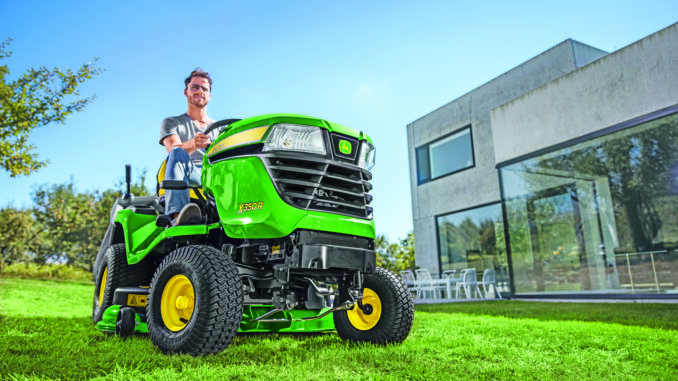
The John Deere X530 is a premium garden tractor in the X500 Select Series, aimed at homeowners who need more capability than an entry-level lawn tractor for larger properties, hills, towing, and regular mowing work. This guide covers repair priorities, symptom-based troubleshooting, maintenance intervals, parts information, diagrams, manuals, and practical DIY boundaries for owners in the USA and Canada.
If your X530 suddenly will not start, cuts poorly, vibrates, drives weakly, or shows signs of overheating, the right approach is to start with the symptom you can see or hear, then narrow the fault to the system involved. That saves time, avoids unnecessary parts swapping, and helps separate realistic home repairs from jobs better left to a Deere dealer.
General overview of the John Deere x530
The John Deere X530 sits in Deere’s X500 Select Series lineup and is positioned as a heavier-duty garden tractor for homeowners who need stronger mowing and yard-work performance than basic lawn tractors usually provide. Deere groups owner resources for the model under its X500 Select Series owner-information page, including operator information, service resources, safety material, and parts access.
On a practical level, the main systems owners deal with on the X530 are:
-
Engine and fuel system, including air filter, fuel filter, spark plugs, cooling fins, and engine oil service.
-
Mower system, including deck belt, blades, spindle lubrication, deck cleanliness, and level/cut quality checks.
-
Drive system, including transaxle oil and filter service points and drive-performance complaints.
-
Electrical and safety system, including battery, switches, starting circuit, and operator-presence/safety interlocks.
Common service parts owners frequently buy for the X530 include engine oil filters AM107423 or AM125424 depending on configuration, fuel filter AM116304, air filter sets M140295/M150949 or MIU12554/MIU12555, spark plug M805853, and transaxle filter MIA881446. Those are among the recurring maintenance items identified in Deere-focused X530 maintenance references and parts-kit listings.
John Deere x530 troubleshooting approach
The best way to diagnose a John Deere X530 is to begin with the symptom category rather than guessing the failed part first. A mower that cranks but will not fire points you toward fuel, spark, air, or safety inputs, while a mower that runs but cuts badly pushes you toward blades, deck condition, belt condition, level, and grass conditions.
The main symptom groups for this model are:
-
Starting issues.
-
Running issues such as surging, rough operation, or lack of power.
-
Cut-quality problems.
-
Vibration and unusual noise.
-
Overheating and debris-related problems.
-
Transmission and drive problems.
-
Electrical and safety-switch problems.
Emergency and immediate John Deere x530 repair needs
Some X530 faults should be handled immediately because they affect safe operation or can quickly damage more expensive parts. In general, stop using the tractor if you have severe vibration, a damaged belt, heavy oil or fuel leakage, overheating signs, failing steering/braking control, or electrical issues that cause intermittent shutdown or no-crank conditions.
1. Starting issues
If the X530 will not crank, cranks slowly, or cranks but does not start, treat it as a starting-system problem first rather than replacing random tune-up parts. This matters because many no-start complaints come from battery condition, interlocks, fuel delivery, or ignition basics rather than a major engine failure.
Common causes:
-
Weak battery or poor cable connections.
-
Safety interlock issue, such as PTO, brake, or seat switch not allowing start.
-
Dirty or old fuel, clogged fuel filter, or restricted fuel flow.
-
Fouled or worn spark plugs.
-
Dirty air filter elements.
Basic owner checklist:
-
Confirm PTO is off and brake/parking-brake start conditions are correctly set.
-
Check battery voltage and inspect terminals for looseness or corrosion.
-
Check fuel freshness and inspect the in-line fuel filter.
-
Remove and inspect spark plugs for fouling or wear.
-
Inspect the foam and paper air elements and replace if dirty.
2. John Deere x530 cut-quality problems
Poor cut quality usually shows up as ragged grass tips, uncut streaks, clumping, or an uneven finish across the lawn. These problems matter because they usually worsen if the deck is dirty, blades are dull, or mowing conditions are ignored for too long.
Common causes:
-
Dull, bent, or unbalanced blades.
-
Worn or slipping mower belt.
-
Grass packed under the deck.
-
Incorrect tire pressure affecting deck height and level.
-
Cutting too much wet or overgrown grass at once.
Basic owner checklist:
-
Inspect blades for sharpness, bends, and balance issues.
-
Clean the underside of the deck thoroughly.
-
Check mower belt condition for cracks, glazing, or slack.
-
Verify tire pressures match sidewall/manual guidance before rechecking deck level.
-
Follow the one-third mowing rule and avoid heavy wet grass where possible.
3. Vibration and noise
Sudden vibration on an X530 is never something to ignore. It often points to damaged blades, debris wrapped in rotating parts, loose hardware, or belt and spindle issues that can escalate fast if you keep mowing.
Common causes:
-
Bent blade after impact.
-
Blade out of balance after sharpening.
-
Debris wrapped around spindle or pulley area.
-
Loose deck or engine mounting hardware.
-
Worn belt or pulley problems.
Basic owner checklist:
-
Shut off the machine, remove the key, and let all rotating parts stop.
-
Inspect blades and blade bolts before mowing again.
-
Check underside and spindle/pulley areas for packed debris.
-
Inspect belt routing and visible pulley condition.
-
Do not continue operating if vibration remains severe after basic checks.
4. John Deere x530 overheating and leaks
The X530 depends on clean cooling surfaces and routine service to stay reliable in hot mowing conditions. Overheating, oil seepage, or fuel leaks should be addressed quickly because debris buildup and fluid loss can shorten engine life or create fire risk.
Common causes:
-
Engine cooling fins blocked by grass and chaff.
-
Low oil or overdue oil service.
-
Fuel filter or hose seepage.
-
Oil filter loose or gasket issue after service.
Basic owner checklist:
-
Clean cooling fins and external debris from the engine area.
-
Check engine oil level before use.
-
Inspect around the oil filter and drain/service points for fresh oil.
-
Inspect fuel filter and fuel lines for dampness or cracking.
-
Stop using the tractor if leakage is active or if overheating symptoms continue.
5. John Deere x530 transmission and drive problems
If the X530 feels weak on hills, hesitates, or loses drive quality, focus on the transaxle service condition and general drive-system checks. Deere specifically lists transaxle oil and filter service at break-in and at 200-hour intervals for the X530, which makes this system more important than owners sometimes realize.
Common causes:
-
Overdue transaxle oil/filter service.
-
Incorrect fluid level or wrong service history.
-
Drive-system wear or damage beyond routine owner maintenance.
Basic owner checklist:
-
Confirm whether the 50-hour break-in transaxle service was completed.
-
Check whether the 200-hour transaxle oil and filter service is overdue.
-
Look for visible leaks around the transaxle area.
-
Note whether the issue is hot-only, hill-related, or constant, since that helps diagnosis.
-
Escalate persistent hydrostatic drive complaints to a dealer if routine service does not restore performance.
6. Electrical problems
Electrical issues on the X530 commonly show up as no-crank complaints, intermittent shutdowns, or inconsistent PTO/start behavior. These can be caused by battery condition, connections, switches, or safety interlock faults rather than a major component failure.
Common causes:
-
Weak battery or corroded terminals.
-
Faulty seat, brake, or PTO interlock behavior.
-
Loose connections in the starting circuit.
Basic owner checklist:
-
Start with battery terminals and cable tightness.
-
Confirm PTO and brake positions exactly match start procedure.
-
Watch for symptom patterns, such as cranks-only-when-seated or dies-when-PTO-engaged.
-
Inspect visible wiring near battery and switch areas for damage.
-
Leave deeper switch-testing and harness diagnostics to a dealer if you lack a meter and wiring diagram.
DIY or dealer? John Deere x530 repair decision guide
For the X530, the normal line is this: routine service, deck work, filters, plugs, blades, and many visible belt checks are realistic DIY jobs, while hydrostatic drive diagnosis, valve-clearance adjustment, deeper electrical troubleshooting, and internal engine/transaxle work are better suited to a Deere dealer or experienced technician.
Good DIY jobs
-
Engine oil and filter changes.
-
Air filter, fuel filter, and spark plug replacement.
-
Deck cleaning, blade sharpening/replacement, and belt inspection.
-
Greasing deck spindles and axle pivot points where listed.
Advanced DIY or dealer jobs
-
Transaxle oil and filter service if you are not comfortable with fluid-routing and access work.
-
Safety-switch diagnosis with a multimeter and wiring logic.
-
Persistent no-start after spark/fuel/air basics are confirmed.
-
Valve clearance check/adjustment, which Deere flags for dealer service.
Skill level guide
-
Beginner: Air filter, fuel filter, spark plugs, blade inspection, battery cleaning.
-
Intermediate: Engine oil/filter service, blade replacement, deck belt replacement, deck cleaning and leveling checks.
-
Advanced: Electrical diagnosis, hydrostatic service troubleshooting, valve-clearance-related work.
John Deere x530 parts needed, OEM vs aftermarket, and what information you need
Before ordering parts, gather the full model name, the tractor Product Identification Number, the engine model/serial information, and the deck size or deck version actually installed on the machine. That matters because filters, belts, and blade sets can vary by engine configuration or mower-deck setup even within the same broad model family.
Here is a practical service-parts table for commonly purchased X530 items.
OEM parts are usually the safer choice for belts, safety-related switches, fit-sensitive deck parts, and anything serial-number-sensitive because correct fit matters more than small savings. Aftermarket parts can be reasonable for filters, blades, batteries, and some consumables if the cross-reference is exact and the seller clearly lists X530 compatibility by model and deck version.
Where to find John Deere x530 parts diagrams and service manuals
For official owner resources, start with Deere’s X530 owner-information page because it centralizes manuals, service information, safety resources, and parts access for the model. Deere’s broader parts portal is then useful when you already have a confirmed OEM part number or need catalog access.
Useful sources:
-
John Deere X530 owner information — best starting point for owner resources, manuals, safety, and service links.
-
John Deere operator’s manual page — useful for official operating and service-interval guidance tied to the X500/X530 family.
-
John Deere parts portal — useful for parts lookup and ordering once the correct number is confirmed.
-
Green Farm Parts X530 maintenance guide — useful for common service-part references and quick maintenance kit lookups.
-
Weingartz John Deere parts lookup — useful for illustrated parts lookup and quick OEM cross-checking.
If you need a true technical repair manual rather than an operator’s manual, that is a different document type and is usually sourced through Deere technical publications rather than the basic owner-manual page. For most homeowners, the operator’s manual plus parts diagrams will cover routine maintenance and common repair planning.
How to locate model, serial and engine numbers on the John Deere x530
These identification numbers matter because the correct filters, deck parts, and some service parts can depend on exact model and serial details. Deere notes that the model number is shown on the identification tag, the serial number appears on that tag, and the engine number is found directly on the engine itself.
Use this process:
-
Park the tractor safely, shut it off, and remove the key before looking for tags.
-
Find the tractor identification tag and record the full model and serial/PIN details exactly as shown.
-
Check the mower deck for its own size/version information if your tractor uses a removable or specific deck setup.
-
Locate the engine model/serial numbers directly on the engine shrouding or engine label area.
-
Take photos of all tags before ordering parts so you can compare listings and avoid transcription mistakes.
Buying John Deere x530 parts online and in physical stores
The best buying strategy is to confirm the OEM part number first, then compare price and availability rather than starting with a generic keyword search. That is especially important for X530 tune-up parts, deck-related parts, and anything affected by engine or deck version.
-
Online: best for price comparison and part-number cross-checking, especially through Deere’s parts portal, Green Farm Parts, or Weingartz.
-
Dealer counter: best for serial-specific parts, unusual fitment questions, and troubleshooting-driven purchases where the wrong part is expensive.
-
Retail stores: acceptable for oil, batteries, spark plugs, and some filters if the packaging clearly cross-references the X530 and exact engine/deck application.
Useful URLs:
Step-by-step fitting guide for common John Deere x530 parts
These are four of the most useful DIY jobs for keeping an X530 reliable and mowing properly. Always work on a cool machine, remove the key, and follow the operator’s manual safety guidance before servicing.
Replacing the air filter on a John Deere x530
A dirty air filter can cause hard starting, rough running, and loss of power.
-
Park safely, shut off the engine, and remove the key.
-
Open the hood and remove the air-cleaner cover.
-
Take out the foam pre-filter and paper element.
-
Clean the housing area so debris does not fall into the intake.
-
Install the correct replacement elements and refit the cover securely.
Replacing spark plugs on the John Deere x530
Fresh spark plugs help cure misfire, hard starting, and rough idle complaints.
-
Work on a cool engine and disconnect the plug wires.
-
Remove each old spark plug with the correct socket.
-
Compare the new plugs to the old ones to confirm the correct part number.
-
Install the new plugs carefully by hand first to avoid cross-threading.
-
Tighten properly and reconnect the plug wires firmly.
Changing blades on the John Deere x530
Blade service directly affects cut quality, vibration, and mower performance.
-
Disable the tractor safely and access the deck according to safe service practice.
-
Inspect each blade for bends, cracks, and major wear.
-
Remove the blade hardware and note blade orientation before installation.
-
Fit sharpened or new balanced blades.
-
Tighten hardware correctly and test cut quality on a short pass.
Inspecting or replacing the mower belt on a John Deere x530
A worn mower belt can cause weak blade speed, uneven cutting, and sudden loss of mowing drive to the deck.
-
Park safely and lower the deck for access.
-
Inspect the belt for cracking, fraying, glazing, or obvious stretching.
-
Compare belt routing to the deck diagram or parts diagram before removal.
-
Replace with the correct OEM-spec belt for the exact deck version if damage is present.
-
Recheck routing and pulley seating before restarting the PTO.
Maintenance to prevent John Deere x530 problems reoccurring
Regular maintenance does more than extend service life on the X530; it directly prevents many of the no-start, poor-cut, overheating, and drive complaints owners see in the middle of the season. Deere’s own service intervals show that oil, filters, plugs, cooling-fin cleaning, belt checks, blade condition, deck cleaning, and lubrication all play a direct role in reliability.
Focus areas:
-
Starting reliability: keep the battery connections clean, replace spark plugs at the listed interval, and replace fuel and air filters on schedule.
-
Cut quality: sharpen or replace blades, inspect the mower belt, keep tire pressures consistent, and clean the underside of the deck.
-
Fire and overheating prevention: clean cooling fins and remove dry grass buildup around the engine and deck.
-
Drive performance: do the break-in and periodic transaxle service on time.
-
Electrical reliability: keep terminals clean and investigate intermittent safety-switch symptoms early.
John Deere x530 maintenance schedule and year-round checklist
Deere’s X530 service schedule includes a break-in oil and filter change after 8 hours, a break-in transaxle oil and filter service after 50 hours, repeating 50-hour lubrication tasks, 100-hour or annual engine-service items, and 200-hour transaxle and valve-clearance-related items. The checklist below is adapted from those official interval listings for the X530 family material.
Daily / before each use
-
Check engine oil level.
-
Look for loose parts, leaks, or obvious belt/blade damage.
-
Clear heavy grass and debris from deck and engine intake areas.
After 8 hours
-
Change engine oil and filter.
Every 50 hours or yearly
-
Lubricate front axle pivot and axle spindles.
-
Lubricate mower deck spindles.
-
Lubricate power steering cylinder ends on the X530.
Break-in after 50 hours
-
Change transaxle oil.
-
Change transaxle filter on the X530.
-
Check rear wheel bolt torque.
Every 100 hours or annually
-
Change engine oil and filter.
-
Replace spark plugs.
-
Replace both foam and paper air filter elements.
-
Replace fuel filter.
-
Clean engine cooling fins.
-
Check mower belt, sharpen or replace blades, clean underside of deck, and check tire pressure.
Every 200 hours
-
Change transaxle oil.
-
Change transaxle oil filter on the X530.
-
Check and adjust valve clearance; Deere directs owners to the dealer for this service.
Seasonal checklist
-
Spring: change overdue oil/filter items, inspect battery, install sharp blades, inspect the mower belt, and verify tire pressures.
-
Mid-season: clean deck underside more often, inspect filters, and watch cooling-fin cleanliness in dusty or hot conditions.
-
Fall or end of season: clean the machine thoroughly, replace overdue tune-up parts, and note any belt, blade, or drive concerns before storage.
Repair, upgrade, or replace?
For most homeowners, an X530 is worth repairing when the issue is routine wear, deferred maintenance, belt/blade service, or other normal age-related faults because the model sits above basic entry-level tractors in capability and support resources. The decision shifts toward upgrading or replacing when multiple expensive systems need attention at once or when the tractor no longer matches the property size and workload.
Repair if…
-
The issue is limited to service parts, blades, belts, filters, battery, or normal tune-up work.
-
The tractor is otherwise structurally sound and the drive system performs normally after service.
-
You can confirm the needed part number and the repair is within your tool and skill level.
Upgrade if…
-
You want a different deck setup, more attachment capability, or newer support features through Deere’s current owner ecosystem.
-
You are repeatedly pushing the tractor beyond its current mowing or property-use pattern.
Replace if…
-
The tractor has combined engine, transaxle, and electrical faults that stack into an uneconomical repair bill.
-
Parts identification is unclear and major previous-owner modifications make dependable repair difficult.
Expanded troubleshooting FAQ
1. Why will my John Deere x530 not start?
If the engine will not start, begin with the simple checks first: PTO off, brake properly set, battery charged, fuel fresh, and air/spark basics in good order. On this model, many no-start complaints come down to interlock conditions, weak battery performance, clogged fuel filtration, dirty air filters, or worn spark plugs rather than a major engine fault.
2. Why does my John Deere x530 crank but not fire?
A crank-no-start condition usually means the starter circuit is working, so attention shifts to spark, fuel delivery, and intake airflow. Check whether the fuel filter is restricted, the spark plugs are fouled, or the air filter is badly blocked before assuming a deeper ignition problem.
3. Why is my John Deere x530 battery always weak?
Repeated battery weakness often points to poor terminal connections, age-related battery decline, or a tractor that sits too long between runs. Start by cleaning and tightening the battery connections and then confirm whether the battery still cranks strongly after a full charge.
4. Why does the John Deere x530 start and then die?
If the tractor starts and then stalls, think fuel restriction, choke-related running issues, or an interlock problem that appears only after startup. Dirty fuel, a restricted filter, or a switch condition that changes when the PTO or seat load changes can all cause this symptom.
5. Why is my John Deere x530 running rough?
Rough running on the X530 usually comes from dirty air filters, worn spark plugs, stale fuel, or debris affecting engine cooling and airflow. Replacing basic tune-up items often resolves the problem faster than chasing rare faults first.
6. Why does my John Deere x530 lose power in tall grass?
Loss of power under load often points to dull blades, deck buildup, heavy wet grass, or an airflow/fuel issue reducing engine output. Follow the one-third mowing rule, keep blades sharp, and clean the underside of the deck before assuming a serious engine problem.
7. Why is my John Deere x530 cutting unevenly?
Uneven cutting is commonly caused by tire-pressure differences, dull blades, a dirty deck underside, or a deck that needs checking for level. Tire pressure is easy to overlook, but even small differences can affect cut height and finish.
8. Why does the John Deere x530 leave strips of uncut grass?
Strips usually mean the blades are not cutting cleanly across the full width, often because they are dull, damaged, or not spinning at full speed due to belt wear. A packed deck can also disrupt airflow and reduce lift, especially in lush growth.
9. Why does my John Deere x530 clump grass?
Clumping usually happens when the grass is too wet, too tall, or being cut too aggressively in a single pass. Cleaning the underside of the deck and mowing more frequently helps reduce the amount of material the deck has to process.
10. Why does my John Deere x530 tear grass instead of cutting cleanly?
Torn grass tips almost always indicate dull blades or blades that have lost a proper edge and balance. Sharpening or replacing the blades is usually the correct fix, especially if the lawn has a whitish or frayed look after mowing.
11. Why is the John Deere x530 vibrating badly?
Severe vibration usually means a bent blade, an out-of-balance blade, debris wrapped in rotating parts, or another deck-rotation issue. Stop mowing immediately and inspect the blades and deck area before further use.
12. Why does my John Deere x530 make a rattling noise from the deck?
A rattling deck may have loose hardware, worn belt-related parts, or debris bouncing around the shell and pulley areas. Start by cleaning and inspecting the deck before replacing parts blindly.
13. Why does my John Deere x530 smell hot?
A hot smell often comes from grass packed around the engine or deck, a slipping belt, or poor cooling-fin cleanliness. Because dry debris can become a fire risk, clean the machine thoroughly before using it again.
14. Why is my John Deere x530 overheating?
On this model, overheating complaints often trace back to dirty cooling fins, debris buildup, or overdue maintenance. Cleaning cooling surfaces and confirming oil service is current are the first checks to make.
15. Why is my John Deere x530 leaking oil?
Oil leaks may show up around the filter, service points, or aged seals, especially after recent maintenance. Check whether the oil filter is correct and properly seated before assuming an internal engine problem.
16. Why does my John Deere x530 smell like fuel?
A fuel smell usually means a leaking filter connection, aging hose, or spilled fuel that was never cleaned up. Because fuel leaks are a safety issue, stop using the tractor until the source is identified and fixed.
17. Why does the John Deere x530 move weakly on hills?
Weak drive on hills often points to overdue transaxle service, fluid-related issues, or deeper hydrostatic wear beyond routine owner maintenance. Confirm the break-in and 200-hour hydro service history first because Deere specifically lists those intervals for the X530.
18. Why does my John Deere x530 hesitate before moving?
Hesitation can be caused by drive-system service issues or internal wear that becomes more obvious when hot. If routine service is overdue, do that first; if the symptom remains, dealer diagnosis is usually the next step.
19. Why does my John Deere x530 lose drive when hot?
Drive complaints that worsen after warm-up often suggest hydrostatic or transaxle condition issues rather than a simple deck or engine fault. This is one of the clearest examples of a job moving from DIY maintenance into dealer-level diagnosis if scheduled service does not solve it.
20. Does the John Deere x530 have a transaxle filter to change?
Yes, Deere’s X530 service interval material specifically lists transaxle filter service for this model at break-in and again at 200-hour intervals. That makes transaxle maintenance more than just an occasional optional task on this tractor.
21. How often should I change engine oil in a John Deere x530?
The official interval material shows a break-in oil and filter change after 8 hours, then engine oil and filter changes every 100 hours or annually. Owners who mow in dust, heat, or heavy conditions may need to service more frequently, which Deere-focused maintenance guides also note.
22. How often should I replace the air filter on a John Deere x530?
Deere’s interval material lists replacement of the foam and paper air filter elements every 100 hours or annually. If the tractor works in dusty conditions, inspect sooner because airflow restriction quickly affects starting and performance.
23. How often should I replace spark plugs on a John Deere x530?
The service interval listing calls for spark plug replacement every 100 hours or annually. If the engine is misfiring or starting poorly sooner than that, inspect them earlier instead of waiting for the calendar.
24. How often should I replace the fuel filter on a John Deere x530?
The fuel filter is listed for replacement every 100 hours or annually in Deere’s X530 service interval material. A restricted filter can cause hard starting, surging, or weak power under load.
25. How often should I grease the John Deere x530 deck?
Deere lists mower deck spindle lubrication every 50 hours or annually for the X530 interval schedule. Regular greasing helps reduce wear and can prevent expensive spindle-related problems developing from neglect.
26. How often should I clean under the John Deere x530 deck?
The official interval material specifically includes cleaning the underside of the deck every 100 hours or annually, but many owners should do it more often during heavy growth periods. In practice, frequent cleaning improves cut quality and reduces rust-promoting buildup.
27. How do I know which John Deere x530 parts to order?
Start with the exact model details, serial/PIN, engine numbers, and the installed deck version. Those details matter because common tune-up parts can vary across engine setups and deck-specific parts always depend on the deck you actually have.
28. Should I buy OEM or aftermarket parts for a John Deere x530?
OEM is usually the smarter choice for belts, safety-related items, and fit-sensitive parts because correct function matters more than small price differences. Aftermarket can be acceptable for certain filters, blades, and batteries if the seller provides a precise X530 cross-reference and the part quality is reputable.
29. Where can I find John Deere x530 diagrams?
Start with Deere’s owner-information page and parts resources, then use illustrated lookup sites such as Weingartz for cross-checking part placement and numbers. That combination is usually enough for homeowner-level maintenance and many common repairs.
30. Where can I find a John Deere x530 operator’s manual?
Deere hosts owner-information access for the X530, and operator-manual material for the X500/X530 family is available through Deere manual pages. The operator’s manual is the right first reference for maintenance intervals, controls, and safe service basics.
31. Do I need a technical manual for John Deere x530 repairs?
Not always. For routine maintenance, the operator’s manual plus parts diagrams are often enough. A technical manual becomes more useful when diagnosing electrical faults, internal drive issues, or more advanced repairs beyond homeowner-level servicing.
32. Is the John Deere x530 a good DIY machine?
Yes, for a homeowner with basic tools, the X530 is very realistic to maintain when the job is filters, plugs, blades, deck cleaning, lubrication, and scheduled fluid service. The harder jobs are not the routine ones, but the diagnosis-heavy faults involving hydrostatic drive behavior, switch logic, or internal engine work.
33. When should I stop trying to repair my John Deere x530 myself?
Stop when the tractor has severe vibration, persistent electrical faults, strong fuel leakage, or hydrostatic problems that remain after normal service. Those issues can become safety problems or expensive trial-and-error jobs if you continue without the right tools and information.
34. Is a John Deere x530 worth repairing?
In many cases, yes, especially when the problem is limited to normal wear items or scheduled maintenance neglect. Because the X530 is positioned as a more capable garden tractor rather than an entry-level machine, repairs are often more justifiable when the core tractor is still solid.
35. What is the best first step when troubleshooting a John Deere x530?
Start with the exact symptom the owner can observe: no-crank, crank-no-start, rough run, poor cut, vibration, overheating, or weak drive. That symptom-first approach keeps diagnosis focused and prevents replacing good parts without evidence.
Final note for owners
For most X530 owners, the smartest workflow is simple: identify the exact symptom, confirm the model/PIN and deck version, use official manual and parts resources first, and handle the routine jobs before assuming a major failure. That approach fits the X530 well because Deere provides clear owner resources and the machine’s common failures often overlap with service items owners can inspect themselves.