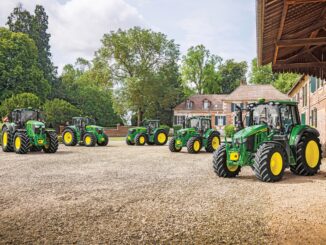
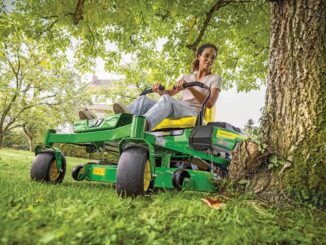
Gear-drive and hydrostatic transmissions power most compact tractors, but their costs differ sharply in purchase, operation, and maintenance. Gear-drive often saves money long-term for heavy field work, while hydrostatic shines for ease in casual use.
Transmission Basics
Gear-drive transmissions use mechanical gears, clutches, and levers to shift speeds, much like a manual car. They deliver direct engine power to the wheels with minimal loss, suiting steady tasks such as tilling or hauling.
Hydrostatic transmissions rely on hydraulic fluid pumped through a closed loop to vary speed and direction via pedals. No clutches or gears shift; forward/reverse happens seamlessly, ideal for loader work or tight maneuvers.
Both suit compact tractors under 50 HP, common for small farms, hobbyists, or your potential UK-based agricultural setups. Key differences emerge in efficiency, durability, and total ownership costs.
Upfront Purchase Costs
Gear-drive compact tractors cost 20-40% less than hydrostatic models. A 25 HP gear-drive like the Kubota B2501 starts around £15,000-£18,000, while its hydrostatic B2601 equivalent hits £20,000-£25,000.
Hydrostatic premiums stem from complex pumps, motors, and valves—precision parts that drive manufacturing expenses. Brands like John Deere or Yanmar charge similarly; expect £3,000-£7,000 extra for HST on 24-35 HP units.
For budget buyers eyeing small-scale expat farming or UK homesteads, gear-drive frees cash for implements like mowers or tillers. Reddit users note 30%+ savings on gear models, offsetting HST’s “user-friendly” appeal.
Fuel Efficiency Breakdown
Gear-drive wins on fuel, transmitting 95-98% of engine power to wheels versus hydrostatic’s 80-85% due to fluid friction and pump losses. At £1.50/litre diesel, a 30 HP gear tractor burns 2-3 litres/hour field work; hydrostatic adds 10-20% more.
Real-world: Tilling 5 acres, gear-drive saves £10-20 per session. Over 500 hours/year, that’s £500+ annually—gear pays for itself in 5-7 years versus HST. Hills amplify savings; gears lock power without slippage.
Hydrostatic’s edge? Infinite speeds reduce idling in mixed tasks, but pure pulling (seeding, plowing) favors gear’s direct drive. Bobcat data shows HST tractors guzzle more on PTO-heavy jobs.
Maintenance Realities
Gear-drive maintenance is simpler: oil changes, clutch adjustments, gear inspections—DIY-friendly at £100-300/year. Parts abound and cheap; synchro-shuttles (gear with forward/reverse lever) cut wear.
Hydrostatic demands clean hydraulic fluid, filters, and seals—£200-500/year. Failures like pump cavitation cost £2,000-£5,000 to fix, rarer in gears. Forums report HST repairs scarcer support, hiking downtime.
Longevity: Gears endure 5,000+ hours with care; HST hits limits sooner under heat/stress. UK wet climates accelerate HST fluid degradation, per user anecdotes. Gear owners praise “set-it-and-forget-it” reliability for tillage.
Task-Specific Cost Wins
Field Work (Plowing, Tilling, Seeding): Gear-drive dominates. Locked gears maximize traction/pulling power; no power-robbing hydraulics. Users favor for ground-engaging tools—saves fuel, reduces tire wear. Cost: £0.50-1.00/hour less operating.
Loader/Transport: Hydrostatic excels. Instant direction swaps speed manure moving or pallet forks—fewer stops mean less wear. But for steady hauls, gear’s efficiency closes gap. HST costs extra £200/year in fuel here.
Mowing/Wooded Areas: HST for precision speed control; gear viable with shuttle. Mixed users (loader + field) lean HST despite premium.
PTO Tasks: Gear transfers more power; ideal bush hogging or haying. HST lags 10-15% output.
Your interests (small farm gear, expat relocation) tilt gear for cost if tillage-focused; HST if loader-heavy.
Total Cost of Ownership (5 Years)
Assume 25 HP tractor, 400 hours/year, £20,000 gear vs. £25,000 HST base.
-
Gear: Purchase £20k + Fuel £4,500 (efficient) + Maint £1,500 = £26,000 total.
-
HST: Purchase £25k + Fuel £5,500 + Maint £5,000 = £35,500 total.
-
Gear Savings: £9,500 over 5 years (£1,900/year).
Resale: Gears hold 60-70% value; HST 50-60% due complexity. UK market mirrors US trends. Break-even: Gear cheaper upfront; pays back by year 3 on fuel/maint.
Real-User Insights
Reddit threads echo: Gear for “pulling implements at steady speed”; HST for “loader/frequent reverses.” One owner: “Gear maximizes limited HP on 25HP tractors.” Another: “HST parts scarce, costly.”
Forums prefer gear on slopes/fields; HST for novices. UK users note geared shuttles blend best worlds cheaply. Bobcat: HST for “maneuverability”; gear for “PTO/open areas.”
Brand Examples (25-35 HP)
-
Kubota: B2601 HST (£23k) vs. older gear models; L2502 gear cheaper but rare new.
-
John Deere: 1025R HST premium; gear options sparse in compacts.
-
Bobcat/Yanmar: Gear for utility; HST standard on loaders.
Hybrid “shuttle gears” (e.g., Kubota M6060) offer gear efficiency + easy F/R for £1-2k less than HST.
Specific Factors
Fuel at £1.50+ pushes gear savings. VAT/import duties equalize, but gear’s lower base helps. Wet fields demand durable transmissions—gears less slippage-prone. Cloudflare-managed sites like yours could host cost calculators for expat buyers.
When Hydrostatic Saves (Rarely)
Frequent direction changes (loader 70%+ use) justify HST if time = money. Novices avoid gear learning curve. But even then, fuel/maint erodes gains post-year 2.
Final Money Verdict
Gear-drive saves £1,500-2,000/year for most compact users via lower buy-in, fuel, and repairs. Ideal for field/PTO; pick HST only for loader dominance. Test both—your small-farm plans favor gear ROI.
Fuel efficiency comparison gear vs HST in compact tractors
Gear-drive transmissions in compact tractors generally offer better fuel efficiency than hydrostatic (HST) ones, especially under sustained loads like field work. HST’s hydraulic losses lead to 10-30% higher consumption depending on the task, though real-world gaps vary by usage.
Efficiency Mechanics
Gear-drive sends nearly all engine power mechanically to the wheels, with 95-98% efficiency and minimal losses. HST pumps hydraulic fluid to vary speed, losing 15-20% of power (up to 30% in small <30 HP units) to friction, heat, and pump inefficiencies.
User reports confirm: A Kubota 6060 HST burned over twice the fuel of a gear model for identical mowing, despite similar HP. Gear tractors run efficiently at lower RPMs (1500-1800), while HST demands 2000+ for optimal pump performance.
Field vs. Loader Tasks
In pulling/tilling, gear excels—direct drive maximizes traction without slippage, cutting fuel 10-20% on 5-acre jobs. HST shines briefly for loader reverses but guzzles more overall; one owner got 20 hours/tank on gear (CK20S) versus HST’s higher draw.
PTO work (mowing, haying) shows gear delivering full power; HST PTO drops 1.5 HP and efficiency. Studies on tillage note optimal gear speeds minimize fuel/ha ($5.10-5.35), though speed trumps pure efficiency for productivity.
Quantified Savings
At £1.50/L diesel, gear saves £10-20 per 5-hour session. Over 400 hours/year: £400-800 less fuel versus HST. Smaller compacts amplify this; 25 HP gear maximizes limited HP, per Reddit consensus.
HST alternatives like power shuttles close the gap (higher efficiency than pure HST) but trail full gear under load. Nebraska tests on larger rigs found geared better above mid-power drawbar levels.
Context Notes
High diesel prices widen gear’s lead for your small-farm interests. Wet fields favor gear’s locked traction, reducing slip/fuel waste. Test RPM-matched runs to verify for specific models like Kubota L2501 gear vs. HST.
Tips to improve fuel economy on hydrostatic compact tractors
Hydrostatic compact tractors inherently use more fuel than gear-drive models due to hydraulic losses, but smart habits can cut consumption by 10-30%. Focus on maintenance, operation, and load management to maximize efficiency.
Maintenance Essentials
Keep hydraulic fluid clean and at the right level—change it every 500-1,000 hours using OEM-spec oil to minimize friction losses. Dirty fluid raises pump temperatures, boosting fuel use by 5-15%; filters trap debris that worsens this.
Check air, fuel, and oil filters monthly; clogged ones force the engine to rev harder for the same output. Proper tire inflation (per manual, often 12-18 PSI field) reduces rolling resistance by up to 10%, critical since HST tractors spin more under slip.
Lubricate linkages and PTO regularly to cut mechanical drag. Avoid over-ballasting—excess weight demands more hydraulic power, hiking fuel 5-10%.
Optimal Operation Habits
Run at peak torque RPM (usually 1,800-2,200 for 25-40 HP HST), not max power—HST pumps thrive here, saving 10-20% versus high-rev idling. Use cruise control if equipped to hold steady speeds without pedal creep.
Minimize idling; shut off after 3-5 minutes. For loader work, feather pedals smoothly—instant full throttle spikes consumption 20-30%. Plan routes to cut turns and overlaps, as HST efficiency drops in stop-start cycles.
Match speed to task: Slow for precision (mowing), mid-range for hauling. Avoid lugging (bogging down); ease off throttle slightly to let HST adjust seamlessly.
Load and Task Strategies
Pair implements to your HP—oversized tillers or mowers overload the hydraulics, raising fuel 15-25%. Lighten ballast for flat ground; add rear weights only for traction needs.
For PTO tasks, engage at low RPM and ramp up gradually—HST diverts power less efficiently here. Combine jobs (e.g., mow then haul) to reduce total runtime.
In fields, maintain 10-15% wheel slip max; excess means wasted hydraulic energy. Use eco or power-save modes on modern units like Kubota or John Deere for 5-15% gains.
Advanced Tweaks
Upgrade to low-viscosity hydraulic fluids if compatible (check manual)—they reduce pump drag by 5-10% in cool UK climates. Install tire pressure monitors for real-time optimization.
Monitor via dash gauges: High hydraulic temps (>80°C) signal inefficiency; cool down periods help. For your small-farm setup, these yield £200-500/year savings at £1.50/L diesel.