Introduction
When thinking about ground or lawn maintenance, one of the first questions that people usually ask: Should I buy a lawn tractor or a garden tractor?
The two terms seem pretty much the same, but they actually describe machines built for very different purposes. Choosing the wrong one can leave you paying for capabilities you’ll never use—or worse, struggling with a machine that can’t handle the tasks you need it for.
This article details the differences between the two, compares the main specifications side‑by‑side, shows real‑world use‑case scenarios, and provides a step‑by‑step buying guide.
1. Defining the Two Categories
1.1 What Is a Lawn Tractor?
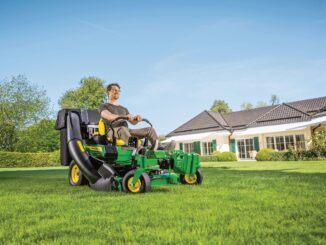
A lawn tractor is essentially a motorised riding mower designed primarily for residential lawn care. Typical characteristics include:
| Attribute | Typical Range |
|---|---|
| Engine power | 12 – 30 horsepower (hp) |
| Drive system | Hydro‑static (most models) or simple gear‑shift |
| Mowing deck | 38 – 54 inches, often interchangeable |
| Weight | 1,500 – 2,500 lb (light enough for easy transport) |
| Primary function | Cutting grass quickly and evenly; light hauling (small carts, bags) |
| Attachments | Usually limited to a rear bagger, mulcher kit, or a small snow‑blower attachment |
Because the focus is on mowing, lawn tractors tend to have a lower centre of gravity, tighter turning radius, and smoother acceleration—features that make them beginner‑friendly and comfortable for long rides across a suburban yard.
1.2 What Is a Garden Tractor?
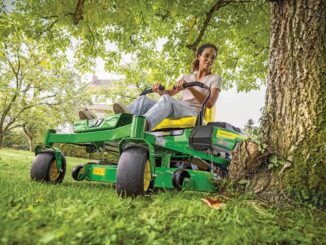
Garden tractors sit a step up in size and capability. While they still mow, they are built to tackle a broader set of tasks that go beyond grass cutting. Typical traits include:
| Attribute | Typical Range |
|---|---|
| Engine power | 30 – 70 hp (sometimes higher for specialty models) |
| Drive system | Manual or semi‑automatic gear‑shift; rarely hydro‑static |
| PTO (Power Take‑Off) | Standard, allowing the attachment of rototillers, front loaders, snow blowers, balers, etc. |
| Mowing deck | 48 – 72 inches, often removable for other implements |
| Weight | 3,000 – 6,000 lb (heavy‑duty frame, higher ground pressure) |
| Primary function | Mowing plus utility work: tilling, hauling, snow removal, brush clearing, small‑scale farming |
| Attachments | Wide range: rototiller, front loader, rear loader, box blade, snow blower, sprayer, etc. |
Garden tractors are essentially compact utility tractors that happen to have a mower deck as one of many possible attachments. They are favoured by small‑scale farmers, landscapers, and serious hobbyists who need a single machine that can perform multiple jobs throughout the year.
2. Core Differences – Side‑by‑Side Comparison
Below is a quick visual reference that captures the most important distinctions.
| Feature | Lawn Tractor | Garden Tractor |
|---|---|---|
| Engine Power | 12‑30 hp | 30‑70 hp |
| Primary Purpose | Mowing residential lawns | Mowing + utility work (tilling, loading, snow) |
| Transmission | Hydro‑static (smooth, pedal‑controlled) or simple gear‑shift | Manual or semi‑automatic gear‑shift |
| PTO Availability | Rare, optional on few models | Standard, essential for most attachments |
| Deck Size | 38‑54 in | 48‑72 in (often detachable) |
| Weight / Ground Pressure | 1,500‑2,500 lb (lighter) | 3,000‑6,000 lb (heavier) |
| Typical Price | $1,500‑$4,000 | $4,000‑$12,000+ |
| Maintenance Complexity | Simpler (fewer belts, less heavy‑duty components) | More components (PTO, larger engine, extra belts) |
| Ideal Users | Suburban homeowners, small yards | Small farms, landscapers, serious gardeners, rural properties |
| Attachment Ecosystem | Limited (baggers, mulchers, small snow blades) | Broad (rototiller, loader, box blade, sprayer, etc.) |
Understanding these differences helps you map your own needs onto the right machine class.
3. Real‑World Use‑Case Scenarios
Scenario A – The Suburban Half‑Acre Yard
You have a 0.5‑acre, relatively flat lawn with occasional flower beds.
Best Choice: Lawn tractor.
Why? The smaller engine provides enough torque for a 42‑inch deck, the hydro‑static transmission makes speed adjustments effortless, and the lighter weight reduces soil compaction. You’ll enjoy a comfortable ride and lower fuel consumption.
Scenario B – The Five‑Acre Mixed‑Use Property
Your property spans 5 acres, half of which is grass, the rest is garden beds, a small orchard, and a few dirt paths.
Best Choice: Garden tractor.
The larger engine can handle a 60‑inch deck for faster mowing, while the PTO lets you attach a rototiller for bed preparation and a front loader for moving mulch or firewood. The heavier frame provides stability on uneven ground.
Scenario C – Year‑Round Utility Needs
You live in a region with snowy winters, a spring garden, and occasional landscaping projects.
Best Choice: Garden tractor.
You can swap the mower deck for a snow‑blower attachment during winter, then attach a tiller in spring, and finish the summer with a box blade for leveling. The versatility eliminates the need for multiple separate machines.
4. Pros & Cons Checklist
4.1 Lawn Tractor
| Pros | Cons |
|---|---|
| Easy to operate – hydro‑static controls are intuitive for beginners. | Limited to mowing and light hauling; cannot run most utility attachments. |
| Lower upfront cost and cheaper to maintain. | Smaller engine may struggle on steep slopes or thick, wet grass. |
| Better fuel economy (smaller displacement). | Less resale value if you later need more capability. |
| Compact size – easier to store in a garage or shed. | Few aftermarket upgrades compared to garden tractors. |
4.2 Garden Tractor
| Pros | Cons |
|---|---|
| Multi‑purpose – PTO enables a wide range of attachments. | Higher purchase price and ongoing maintenance costs. |
| More torque and power for steep hills, thick vegetation, or pulling implements. | Heavier; may require reinforced driveway or stronger transport trailer. |
| Higher resale value for work‑oriented buyers. | Slightly steeper learning curve (gear‑shift, PTO engagement). |
| Can serve as a year‑round workhorse (snow, till, haul). | Larger footprint; may be overkill for a small residential lawn. |
5. Buying Guide – How to Choose the Right Machine
5.1 Assess Your Property Size & Terrain
- Measure the total acreage you intend to mow.
- Identify slope percentages – steep grades (>15 %) demand more torque.
- Note soil type – sandy or loamy soils affect traction and PTO load.
If you’re under 2 acres with gentle slopes, a lawn tractor is usually sufficient. Anything above 3 acres, especially with varied terrain, leans toward a garden tractor.
5.2 List Required Tasks
Create a simple checklist:
- Mowing only?
- Need to pull a trailer or cart?
- Want to till garden beds?
- Expect snow‑blowing duties?
- Planning to haul firewood, mulch, or rocks?
If you tick more than one “utility” box, a garden tractor becomes the logical choice.
5.3 Set a Realistic Budget
- Base price: Lawn tractors $1,500‑$4,000; garden tractors $4,000‑$12,000+.
- Attachments: PTO kits ($300‑$800), rototiller ($500‑$1,200), loader ($700‑$1,500).
- Operating costs: Fuel (gallons per hour), oil changes, tire replacement.
Add 10‑15 % for accessories and future maintenance.
5.4 Check Dealer Support & Parts Availability
- Verify that the brand has a local dealer network.
- Look for OEM parts availability (especially for PTO belts and hydraulic pumps).
- Confirm warranty terms – most manufacturers offer 2‑year limited warranties on new units.
5.5 Test Ride / Demo
Never rely solely on specs. Schedule a demo to evaluate:
- Seat comfort and adjustability.
- Visibility over the deck and around the tractor.
- Control layout – are the throttle, brake, and gear levers intuitive?
- Noise level – a quieter engine improves the mowing experience.
Take notes on how the machine feels on your own terrain, not just the dealer’s lot.
6. Frequently Asked Questions (FAQ)
Below is a comprehensive list of the questions people most often ask when they are trying to decide which machine is right for them, how to keep it running, and what legal or practical considerations apply.
| # | Question | Answer |
|---|---|---|
| 1 | What is the main functional difference between a lawn tractor and a garden tractor? | A lawn tractor is built primarily for mowing residential lawns; it usually lacks a PTO and has a smaller engine (≈12‑30 hp). A garden tractor adds a power‑take‑off (PTO) and a larger engine (≈30‑70 hp) so it can run implements such as rototillers, loaders, and snow‑blowers. |
| 2 | Can a lawn tractor be fitted with a PTO? | Some manufacturers offer optional PTO kits for select lawn‑tractor models, but the PTO is generally lower‑capacity and not intended for heavy‑duty implements. If you need regular PTO use, a garden tractor is the safer choice. |
| 3 | Which type of transmission is easier for beginners? | Hydro‑static transmissions (common on lawn tractors) let you control speed with a foot pedal, eliminating manual gear shifts. Garden tractors often use manual or semi‑automatic gearboxes, which require more coordination. |
| 4 | How much acreage can a typical lawn tractor handle? | Most lawn tractors comfortably mow 0.5‑2 acres per pass, depending on deck width and terrain. Larger decks (≥48 in) can increase efficiency, but beyond ~2 acres a garden tractor’s higher power and wider decks become more productive. |
| 5 | What is the maximum slope a lawn tractor can climb? | Manufacturers usually rate lawn tractors for slopes up to 15 % (≈8.5°). Exceeding this can cause loss of traction, engine strain, or rollover risk. Garden tractors with heavier frames and higher torque can manage 20‑25 % slopes, but still require caution. |
| 6 | Do garden tractors require a different type of fuel? | Both classes typically run on standard unleaded gasoline (87 octane minimum). Some larger garden tractors offer diesel or LPG options, but those are specific models and must be verified with the dealer. |
| 7 | How do I choose the right deck size? | Deck width determines how many passes you need. A 42‑in deck is fine for <½ acre; 48‑in works well for ½‑2 acres; 60‑in+ decks are efficient for >2 acres. Wider decks increase weight and may need a larger engine to maintain speed. |
| 8 | Can I use a lawn‑tractor deck on a garden tractor? | Many garden tractors accept interchangeable decks, but you must confirm compatibility (bolt pattern, PTO shaft, and deck mounting). Using a non‑compatible deck can damage the machine and void the warranty. |
| 9 | What attachments are available for garden tractors? | Common PTO‑driven attachments include rototillers, front loaders, rear loaders, box blades, snow‑blowers, sprayers, and bale processors. Some manufacturers also sell specialty implements like brush cutters or seeding plates. |
| 10 | Are lawn‑tractor attachments limited to mulchers and baggers? | No, most lawn‑tractor accessories are not limited to mulching kits, baggers, and small snow‑blower units that bolt onto the rear of the deck. They do not use a PTO. |
| 11 | How much does a typical attachment cost? | Prices vary widely: a basic mulcher kit ≈ $150‑$300, a bagger ≈ $200‑$400, a small snow‑blower ≈ $250‑$500, a rototiller for a garden tractor ≈ $500‑$1,200, and a front loader ≈ $700‑$1,500. |
| 12 | Do I need a special hitch to tow a trailer with a lawn tractor? | Most lawn tractors have a rear hitch rated for 500‑800 lb. If you need to tow heavier loads, a garden tractor with a higher‑capacity hitch (up to 2,000 lb) is advisable. |
| 13 | What is the typical warranty on these machines? | Lawn tractors usually come with a 2‑year limited warranty covering the engine, transmission, and deck. Garden tractors also receive a 2‑year limited warranty, often extending the engine and PTO coverage to 3 years. Extended service contracts are available from many dealers. |
| 14 | Do I need a special license to operate a garden tractor on public roads? | In most jurisdictions, a garden tractor under 2,500 lb and traveling below 25 mph does not require a commercial driver’s license. However, local regulations differ, so check with your state or municipal authority before using it on public roads. |
| 15 | How often should I change the oil? | Follow the manufacturer’s recommendation, typically every 50‑100 hours of operation for lawn tractors and every 75‑150 hours for garden tractors. Use the specified oil viscosity (often SAE 10W‑30) and replace the oil filter each time. |
| 16 | What maintenance is unique to garden tractors? | Garden tractors have a PTO belt that requires periodic tension checks and eventual replacement (usually every 2‑3 years). They also have larger cooling systems that may need coolant flushes and more frequent air‑filter inspections due to higher airflow. |
| 17 | Can I store a garden tractor indoors? | Yes, but because garden tractors weigh 3,000‑6,000 lb, you’ll need a sufficiently large garage or barn with reinforced flooring. Ensure adequate ventilation if the engine is stored with fuel inside. |
| 18 | What tire pressure should I use? | Refer to the owner’s manual, but a typical range is 12‑15 psi for lawn tractors and 15‑20 psi for garden tractors. Proper pressure improves traction and reduces soil compaction. |
| 19 | Is it worth buying a used tractor? | Used machines can offer good value if the engine, transmission, and PTO (if present) are in good condition. Verify service records, inspect for rust or worn belts, and consider a pre‑purchase inspection by a qualified technician. |
| 20 | How do I know if my deck needs to be resurfaced? | Look for deep scratches, gouges, or uneven wear that cause streaking. Resurfacing (or replacing) the deck restores a uniform cut and reduces stress on the engine. |
| 21 | What safety equipment should I use while operating? | Wear hearing protection, eye protection, sturdy closed‑toe shoes, and long sleeves. Always disengage the PTO before changing implements, and never operate on steep slopes without a spotter. |
| 22 | Can I run a garden tractor on a battery‑electric conversion? | Some aftermarket kits convert small garden tractors to electric drive, but they are niche, expensive, and may void the original warranty. Research thoroughly and consult the manufacturer before attempting a conversion. |
| 23 | Do lawn tractors have a “cut‑height” adjustment? | Yes. Most have a lever or knob that raises or lowers the deck in increments (typically 1‑2 inches per click). Garden tractors usually provide finer adjustment because they are used on varied terrain. |
| 24 | What is the expected lifespan of these machines? | With regular maintenance, a lawn tractor can last 10‑15 years, while a garden tractor can remain productive for 12‑20 years, especially if major components (engine, transmission) are rebuilt or replaced. |
| 25 | Are there any emissions regulations I need to be aware of? | In many regions, small gasoline engines must meet EPA Tier 4 or Euro IV standards. Newer models are certified; older used machines may not be compliant in certain jurisdictions. Check local emissions rules before purchasing. |
| 26 | How do I store the fuel safely for winter? | Use a stabilized gasoline additive if you plan to store fuel for more than 30 days. Drain the tank or run the engine until empty if you expect temperatures below freezing for extended periods. |
| 27 | Can I use a garden tractor for snow removal in the same season I mow? | Yes, provided you have a compatible snow‑blower attachment and the PTO is engaged correctly. Switch the deck for the snow‑blower, adjust tire pressure for traction, and follow the manufacturer’s winter‑operation guidelines. |
| 28 | What is the difference between a “front loader” and a “rear loader”? | A front loader mounts on the front of the tractor and is controlled by hydraulic levers; it is ideal for lifting pallets, logs, or debris. A rear loader attaches to the rear hitch and is useful for loading hay bales or mulch. |
| 29 | Do garden tractors have a differential lock? | Some higher‑end garden tractors include a differential lock to improve traction on slippery or uneven surfaces. It is not a standard feature on most entry‑level models. |
| 30 | How can I improve fuel efficiency? | Keep the air filter clean, maintain proper tire pressure, use the correct deck size for your acreage (avoid oversized decks that overload the engine), and perform regular oil changes. Operating at a steady, moderate speed rather than full throttle also saves fuel. |
7. Maintenance Tips
| Maintenance Item | Frequency | Quick Tips |
|---|---|---|
| Oil Change | Every 50‑100 hrs (lawn) / 75‑150 hrs (garden) | Use the manufacturer‑specified grade; warm engine first. |
| Air Filter | Inspect each season; replace if dirty | A clogged filter reduces power, especially on hills. |
| Mowing Deck | Clean after each use; sharpen blades twice a year | Sharper blades give a cleaner cut and reduce strain. |
| PTO Belt (Garden) | Check tension quarterly; replace every 2‑3 years | Proper tension prevents slippage and premature wear. |
| Battery | Test before winter; clean terminals | Cold weather reduces cranking power; keep charge >12.6 V. |
| Tires | Inspect tread and pressure monthly | Correct pressure improves traction and fuel efficiency. |
| Hydraulic Fluid (if applicable) | Replace per manual (often every 2‑3 years) | Use only the recommended fluid type. |
Regular maintenance not only extends the life of your tractor but also ensures safety—especially when using heavy attachments.
8. Decision Flowchart
- Do you need anything beyond mowing?
- No → Go to Step 2.
- Yes → Garden tractor is likely the better fit.
- Is your mowing area ≤ 2 acres and mostly flat?
- Yes → Lawn tractor is sufficient.
- No → Consider a garden tractor for added power.
- Do you plan to use attachments (loader, tiller, snow‑blower)?
- Yes → Garden tractor (PTO required).
- No → Lawn tractor (simpler, cheaper).
- Budget constraints?
- Under $4,000 → Lawn tractor.
- Above $4,000 → Garden tractor (or high‑end lawn tractor with optional PTO).
- Storage space?
- Garage/Shed → Lawn tractor (compact).
- Barn or large shed → Garden tractor fits.
Follow this flow to narrow down the model class before you start comparing individual brands.
9. Recommended Models (Examples)
Note: Prices and specifications are illustrative; always verify with the dealer.
| Brand & Model | Class | Engine | Deck | PTO | Approx. Price |
|---|---|---|---|---|---|
| John Deere S110 | Lawn | 19 hp | 42‑in | No | $2,200 |
| Cub Cadet XT1 LT 46 | Lawn | 22 hp | 46‑in | Optional | $2,800 |
| Husqvarna YTH24V48 | Garden | 24 hp | 48‑in (removable) | Yes | $4,500 |
| Kubota BX2380 | Garden | 38 hp | 48‑in | Yes | $7,200 |
| John Deere 1025R | Garden | 55 hp | 48‑in | Yes | $9,500 |
These models illustrate the spectrum from entry‑level lawn tractors to mid‑range garden tractors with full PTO capability.
10. Conclusion
Choosing between a lawn tractor and a garden tractor isn’t just a matter of price—it’s about matching the machine’s engine power, attachment ecosystem, and physical dimensions to the specific demands of your property and the tasks you plan to perform.
- If you only need to mow a modest, relatively flat yard, a lawn tractor offers simplicity, lower cost, and excellent maneuverability.
- If you own several acres, have varied terrain, or want a year‑round workhorse capable of tilling, loading, and snow‑blowing, a garden tractor’s higher horsepower, PTO, and robust chassis will pay off in productivity and versatility.
By assessing your acreage, terrain, required tasks, budget, and storage space—and by taking a test ride—you’ll be able to make an informed decision.