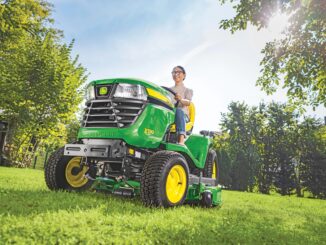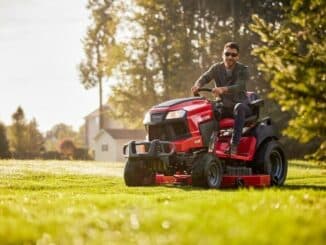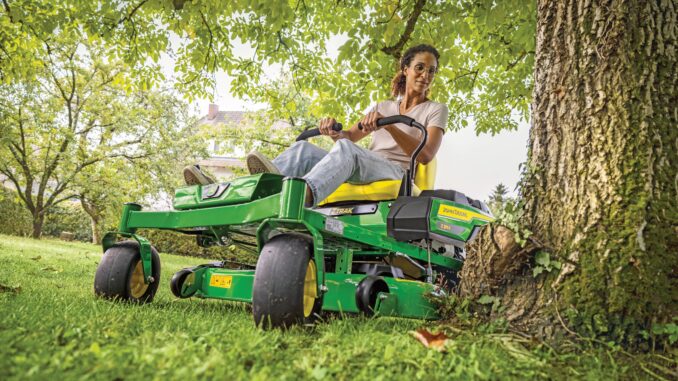
A lawn tractor is ideal if you are a homeowner with an acre / half‑acre backyard, a property‑management professional, or a small‑scale farmer.
For Individual Manufacturers and Models , please click links below:
This guide covers every aspect of owning and using a lawn tractor, from choosing a deck size to maintenance to different brands to safety issues. It is intended for everyone from a complete beginner thru to a seasoned professional.
Lawn Tractors v Garden Tractors – Whats the Difference?
1. What Sets These Two Machines Apart?
| Aspect | Lawn Tractor | Garden Tractor |
|---|---|---|
| Core purpose | Primarily a riding mower for residential lawns. | A compact utility tractor that can mow and run a variety of implements (tillers, loaders, snow‑blowers, etc.). |
| Typical engine output | 12 – 30 hp. | 30 – 70 hp (some models even higher). |
| Power‑Take‑Off (PTO) | Rare; only on a few specialty models. | Standard feature; enables attachment of heavy‑duty tools. |
| Transmission style | Mostly hydro‑static (foot‑pedal speed control) or simple gear‑shift. | Manual or semi‑automatic gearboxes; hydro‑static is uncommon. |
| Weight & ground pressure | Light (≈1,500‑2,500 lb); gentle on soil. | Heavy (≈3,000‑6,000 lb); better traction on slopes but can compact softer ground. |
| Price bracket | $1,500‑$4,000 (entry‑level to mid‑range). | $4,000‑$12,000+ (mid‑range to premium). |
In short, a lawn tractor is a specialized mower, while a garden tractor is a multipurpose workhorse that happens to include a mower deck.
2. When Does One Make More Sense Than the Other?
| Situation | Ideal Choice | Why |
|---|---|---|
| Small, flat residential yard (≤ ½ acre) | Lawn tractor | Sufficient power, lower cost, easy to store. |
| Medium‑size property (½‑2 acres) with occasional hills | Lawn tractor (larger deck) or garden tractor (if you need extra torque). | A bigger deck speeds mowing; a garden tractor adds hill‑climbing ability. |
| Large acreage (> 2 acres) or mixed terrain | Garden tractor | Higher horsepower and PTO let you tackle steep slopes and switch to other tasks. |
| Year‑round utility (tilling, snow removal, hauling) | Garden tractor | PTO and robust frame support a wide range of attachments. |
| Budget‑conscious homeowner who only mows | Lawn tractor | Meets the need at a fraction of the price. |
| Small‑scale farmer or landscaper | Garden tractor | Multipurpose capability reduces the need for multiple machines. |
3. Key Functional Differences at a Glance
| Feature | Lawn Tractor | Garden Tractor |
|---|---|---|
| Mowing deck | Fixed 38‑54 in, often interchangeable within the line. | Removable 48‑72 in; can be swapped for a loader or tiller. |
| Attachment ecosystem | Baggers, mulchers, small snow‑blower units (no PTO). | Full PTO‑driven lineup: rototiller, front/rear loader, box blade, snow‑blower, sprayer, etc. |
| Ease of use | Hydro‑static models let novices control speed with a pedal; gear‑shift versions are still simple. | Requires familiarity with gear shifting and PTO engagement; steeper learning curve. |
| Fuel consumption | Roughly 0.5‑0.7 gal/hr (moderate load). | Roughly 1.2‑1.8 gal/hr (higher load). |
| Storage | Fits in a standard garage or shed. | Typically needs a larger barn or dedicated shed. |
| Resale value | Good for casual homeowners; depreciation is moderate. | Higher resale potential among professionals and serious hobbyists. |
4. Bottom Line
- Choose a lawn tractor if your primary goal is to keep a modest lawn tidy, you value simplicity, and you want to stay within a modest budget.
- Opt for a garden tractor when you need a versatile platform that can mow, till, haul, and clear snow—essentially a compact utility tractor that grows with your workload.
Both categories have solid options from leading brands; the decisive factor is the combination of acreage, terrain, required tasks, and budget.
Manufacturers Maintenance and Repair Guide
When choosing a lawn tractor, buyers increasingly prioritize maintenance and repair features that minimize downtime and long-term ownership costs. Based on current consumer research, several key considerations emerge.
Accessibility and Ease of Service tops the list. Buyers look for easy-access oil caps, front or side-mounted engines, and quick-release blade bolts that allow homeowners to perform routine maintenance without specialized tools. A simple, well-documented oil-change schedule and readily available spark-plug and filter kits are essential for DIY owners who cannot afford lengthy dealer visits.
Durability and Wear Reduction features matter significantly. Hydrostatic transmissions are highly valued over manual gearboxes for their smoother operation and lower wear rates. Built-in deck cleaning ports, tire-pressure monitoring gauges, and regular blade-sharpening mechanisms reduce routine upkeep time and prevent premature component failure.
After-Sales Support Infrastructure heavily influences purchasing decisions. A wide dealer network, stocked OEM parts availability, and comprehensive warranties of three to five years provide peace of mind. Buyers recognize that even quality equipment will eventually need service, and lengthy dealer repair waits can be unacceptable during peak mowing seasons.
Long-Term Cost Considerations extend beyond the purchase price. Modern buyers evaluate fuel-efficient engines meeting current emissions standards, balancing upfront costs against projected service expenses and resale value. Versatile deck widths matching property size and optional mulching or bagging capabilities also factor into total ownership calculations.
Ultimately, consumers seek manufacturers demonstrating commitment to owner support through accessible design, reliable parts distribution, and transparent warranty terms. The ideal lawn tractor combines robust construction with service-friendly engineering, allowing owners to maintain equipment efficiently while minimizing unexpected repair costs and downtime.
Lawn Tractor Deck Sizes & Cutting Widths
The deck—the platform that houses the mower blades—directly determines how much ground you can clear in a single pass. A broader deck reduces the number of swaths needed, which can shorten mowing time, lower fuel consumption, and lessen wear on the engine.
Conversely, a narrower deck offers tighter turning circles and better maneuverability around obstacles such as trees, flower beds, and fences. Selecting the appropriate width is therefore a balance between efficiency and practicality.
Core Concepts
| Term | Explanation |
|---|---|
| Deck Width | Physical measurement of the mower’s cutting platform, usually quoted in inches. |
| Effective Cutting Width | The usable portion of the deck after accounting for the discharge chute (adds roughly 8‑15 in when upright). |
| Cutting Height | Adjustable gap between the deck and the ground, influencing grass length. |
| Blade Configuration | Single‑blade decks are lighter; twin‑blade decks improve mulching and reduce clumping. |
How Width Influences Performance
- Pass Count – Wider decks mean fewer passes to cover the same area, translating into quicker jobs.
- Fuel Efficiency – Even though a larger deck draws more power per minute, the overall gallons per acre drop because the mower operates for less time.
- Maneuverability – Small decks excel in confined spaces; large decks require a larger turning radius and can be cumbersome around irregular terrain.
- Terrain Compatibility – On steep or uneven ground, a modest‑sized deck often yields smoother operation than an oversized one that strains the drivetrain.
Matching Deck Width to Property Characteristics
| Yard Profile | Suggested Deck Width | Reasoning |
|---|---|---|
| Very Small (< 0.25 acre) with many obstacles | 30‑38 in | Tight turning circle, easy navigation around trees and garden beds. |
| Small (0.25‑0.5 acre), mostly flat | 38‑42 in | Good compromise between speed and agility. |
| Medium (0.5‑1 acre), open with occasional obstacles | 42‑48 in | Reduces passes while still handling occasional impediments. |
| Large (1‑2 acre), predominantly open terrain | 48‑54 in | Maximizes coverage and fuel savings on expansive lawns. |
| Very Large (> 2 acre), commercial‑style fields | 54‑72 in (or larger zero‑turn decks) | Minimal passes, optimal for extensive acreage. |
Tip: Always add the discharge chute width (8‑15 in) to the deck measurement when planning clearance space.
Key Design Elements to Consider
- Blade Count: Twin‑blade decks boost mulching performance; single‑blade decks are lighter and simpler.
- Material: Steel offers robustness for heavy‑duty use; aluminum reduces overall weight, easing transport on slopes.
- Height‑Adjustment System: Manual levers are economical; hydro‑static or electronic controls provide rapid height changes for varying grass lengths.
- Discharge Orientation: Side‑discharge helps keep clippings away from obstacles; rear‑discharge is ideal for open lawns.
- Interchangeability: Some manufacturers allow deck swaps on the same chassis—great for future upgrades.
Power Requirements
A practical rule of thumb is ≈ 15 hp per 12 in of deck width. For instance, a 48‑inch deck typically pairs well with a 60‑hp engine. Adding a 10‑15 % power buffer ensures reliable operation under heavy, wet grass conditions.
Maintenance Highlights
- Blade Care: Sharpen blades after 20‑30 hours of use or when cuts become uneven. Replace if blades are cracked or warped.
- Deck Cleaning: Remove grass buildup after each session to prevent rust and maintain airflow.
- Lubrication: Follow the manufacturer’s schedule for pivot points, bearings, and belt tension.
- Inspection: Periodically check for cracks, corrosion, or loose fasteners—especially after mowing in damp environments.
Lawn Tractor Collection Systems & Mulching
Grass Clippings: What Are Your Options?
| System | How It Works | Best For |
|---|---|---|
| Side Discharge | Blades fling clippings out the side. | Large open fields where clippings can be left. |
| Rear Bagging/Collection | Clippings are sucked into a rear bag. | Clean‑look lawns, small yards. |
| Mulching | Blades chop clippings finely and redistribute them. | Nutrient recycling, reduced waste. |
Advantages and Limitations
- Side Discharge – Fast, no bag to empty, but clippings can create mess.
- Bagging – Gives a tidy finish; however, bags fill quickly on thick growth.
- Mulching – Returns nutrients to soil, reduces need for fertilizer; requires a sharp blade and sufficient airflow.
Types of Lawn Tractor Collection Systems
- Single‑Baggers – One bag, simple operation.
- Dual‑Baggers – Two bags for longer runs before emptying.
- High‑Capacity Collectors – Larger volume, suited for commercial use.
Mulching Kits & Accessories
When buying a mulching kit, check for:
- Adjustable chute – Directs clippings where you want them.
- Blade compatibility – Some kits need a specific mulching blade.
- Ease of installation – Quick‑click mounting saves time.
When is mulching worth the upgrade?
If you mow frequently (weekly) and have moderate grass height, mulching can significantly improve lawn health while eliminating bag disposal.
Lawn Tractor Towing Capabilities
Standard Tow Ratings
| Tractor Class | Typical Tow Load |
|---|---|
| Entry‑level lawn tractors | 500–800 lb |
| Mid‑range residential models | 800–1,200 lb |
| Heavy‑duty garden tractors | 1,500–2,500 lb |
Trailers and Attachments
- Dump Carts – Move soil, leaves, or garden debris.
- Spreaders – Apply seed, fertilizer, or ice melt evenly.
- Aerators – Improve soil compaction and root health.
Lawn Tractor Safety Tips for Towing
- Check weight distribution – Keep the trailer’s center of gravity low and centered.
- Observe maximum load limits – Exceeding the rating stresses the drivetrain and brakes.
- Secure the hitch – Use a safety chain as a backup.
Lawn Tractor Tow Hitch Types
| Hitch Type | Description | Compatibility |
|---|---|---|
| Quick‑Release (QR) | Snap‑in mechanism, fast attachment. | Most modern lawn tractors. |
| Pin Hitch | Traditional pin and hole; very secure. | Older or heavy‑duty models. |
| Universal Hitch | Adjustable, fits a range of trailer couplers. | Versatile for mixed use. |
Lawn Tractor Best Uses: Residential vs. Commercial Work
Residential Lawn Tractors
| Feature | Typical Range |
|---|---|
| Yard Size | Up to 2 acres |
| Engine Power | 12–18 HP |
| Price | $1,200–$2,500 (USD) |
| Optional Extras | Bagging kit, mulching blade, LED headlights |
Ideal for: Homeowners who mow weekly, need occasional towing of a small trailer, and value comfort features like adjustable seats.
Commercial & Heavy‑Duty Tractors
| Feature | Typical Range |
|---|---|
| Yard Size | 2–10 acres (or larger) |
| Engine Power | 20–30 HP+ |
| Price | $3,000–$7,000+ |
| Extras | Heavy‑duty rear hitch, high‑capacity bagger, reinforced frame |
Ideal for: Landscape companies, park maintenance crews, or farms needing reliable mowing plus frequent towing of equipment.
Farm / Estate / Multi‑Property Use
- Scheduling & Uptime – Choose a model with a durable transmission and easy‑service points.
- Attachment Versatility – Look for a universal PTO (Power Take‑Off) to run implements like sprayers or plows.
Case Scenarios
| Scenario | Recommended Tractor | Reason |
|---|---|---|
| Small suburban yard (0.2 acre) | 30‑inch lawn tractor | Compact, inexpensive, easy storage. |
| Municipal park (5 acres) | Garden tractor with 48‑inch deck | High power, large deck, heavy‑duty hitch. |
| Light farm chores (2 acres + hay baling) | Mid‑range garden tractor with PTO | Can tow baler, handle rough terrain. |
Lawn Tractor Engine Options & Fuel Efficiency
Engine Types
| Type | Characteristics | Typical Use |
|---|---|---|
| Single‑Cylinder | Simpler, lighter, lower cost. | Small residential models. |
| Twin‑Cylinder | Smoother power delivery, higher torque. | Mid‑range and garden tractors. |
| OHV (Overhead Valve) | Efficient airflow, good fuel economy. | Most modern gasoline engines. |
| Side‑Valve | Simpler design, easier maintenance. | Budget‑friendly units. |
Power Ratings & What They Mean
- Gross HP – Engine output measured at the crankshaft without accessories.
- Rated (or PTO) HP – Power available at the power‑take‑off shaft, factoring in drivetrain losses.
For mowing, rated HP is the more useful figure because it reflects real‑world pulling ability.
Lawn Tractor Fuel Types
| Fuel | Pros | Cons |
|---|---|---|
| Petrol (gasoline) | Widely available, easy start. | Emits CO₂, higher operating cost. |
| Diesel | Better torque, superior fuel economy. | Heavier, more expensive upfront, stricter emissions rules. |
| LPG (propane) | Cleaner burn, lower emissions. | Requires dedicated tank, limited availability in some regions. |
Most residential lawn tractors run on gasoline; diesel and LPG are typically reserved for heavy‑duty garden tractors.
Fuel Efficiency Tips
- Maintain a sharp blade – Dull blades increase drag, raising fuel consumption.
- Use the correct oil viscosity – Reduces internal friction.
- Operate at optimal RPM – Follow manufacturer’s recommended speed range; don’t “rev” unnecessarily.
- Keep the air filter clean – Prevents the engine from working harder to draw air.
Popular Lawn Tractor Engine Brands
| Brand | Reputation | Typical Models |
|---|---|---|
| Briggs & Stratton | Reliable, widely serviced | Entry‑level lawn tractors. |
| Kohler | Strong torque, smooth operation | Mid‑range residential and garden tractors. |
| Kawasaki | High‑performance, low vibration | Premium garden tractors. |
| Honda | Excellent fuel economy, durability | Both lawn and garden categories |
Lawn Tractor Safety Features & Operator Ergonomics
Standard Safety Features
| Feature | Function |
|---|---|
| ROPS (Rollover Protection System) | Reinforced frame that protects the operator if the tractor tips. |
| Seat Belts | Keeps the driver seated during sudden stops or uneven terrain. |
| Blade Guards | Prevents accidental contact with the cutting blade. |
| Interlock Switches | Stops the engine if the operator leaves the seat or engages the brake. |
Operator Comfort & Control
- Adjustable Seat – Height, tilt, and lumbar support reduce fatigue.
- Steering Feel – Hydraulic steering provides smoother turns, especially on slopes.
- Control Layout – Hand‑operated throttle and foot‑pedal brakes allow intuitive operation.
Noise, Vibration, & Long‑Term Comfort
- Decibel Ratings – Modern tractors range from 70–85 dB(A); using ear protection is advisable for prolonged use.
- Suspension Systems – Some garden tractors feature front or rear suspension to absorb bumps, improving ride comfort.
Best Practices for Lawn Tractor Safe Operation
- Pre‑run Checklist – Inspect tires, fluid levels, and safety guards.
- Read the Operator Manual – Familiarize yourself with emergency shut‑off procedures.
- Wear Protective Gear – Closed‑toe shoes, hearing protection, and eye safety glasses.
- Never Operate Under Influence – Alcohol or drugs impair reaction time.
Lawn Tractor Buying Guide – What to Look for Before You Purchase
Core Decision‑Making Framework
| Decision Factor | Why It Matters for Beginners | How to Evaluate It |
|---|---|---|
| Yard Size & Terrain | Determines the minimum deck width and engine power you’ll actually need. | Measure your lawn (in acres or square feet). Sketch any steep slopes, obstacles, or narrow passages. |
| Budget & Total Cost of Ownership | Up‑front price isn’t the whole story—fuel, maintenance, and accessories add up. | Create a simple spreadsheet: purchase price + estimated yearly fuel + annual service + optional accessories. |
| Engine Type & Power | Too little power = bogged‑down mowing; too much power = wasted fuel and higher cost. | Match engine horsepower to deck size (see the table below). |
| Transmission Style | Affects ease of use, especially for beginners. | Automatic/gear‑shift – simple for novices. Hydrostatic – smooth variable speed, slightly pricier. |
| Safety Features | Prevent injuries and protect the machine. | Look for ROPS, seat belt, blade guard, and interlock switches. |
| Attachment Compatibility | Future‑proofing for mulching, bagging, towing, etc. | Verify that the model supports standard 3‑point hitch or quick‑release hitch and that mulching kits are sold for that brand. |
| Warranty & Service Availability | Reduces risk of costly repairs. | Minimum 2‑year power‑train warranty; check for local dealer or authorized service center. |
| User Reviews & Brand Reputation | Real‑world reliability clues. | Scan reviews on retailer sites, forums, and YouTube “first‑impression” videos. |
Matching Deck Width to Yard Size (Quick Reference)
| Yard Size | Recommended Deck Width | Engine Power (HP) | Typical Price (USD) |
|---|---|---|---|
| < ½ acre | 30–38 in | 12–15 | $1,200 – $1,800 |
| ½–2 acres | 38–46 in | 15–18 | $1,800 – $2,600 |
| > 2 acres (light commercial) | 46–54+ in | 18–22 | $2,600 – $3,500 |
| > 5 acres (heavy‑duty) | 48–60+ in | 22–30 | $3,500 – $7,000+ |
Tip: If you’re on the cusp (e.g., 1.9 acres), lean toward the larger deck to give yourself a margin of safety on steep or uneven ground.
Lawn Tractor Engine Brands – What Beginners Should Know
| Brand | Strengths for New Users | Typical Price Bracket |
|---|---|---|
| Briggs & Stratton | Wide dealer network, easy‑to‑find parts, solid warranty. | $1,200 – $2,400 |
| Kohler | Smooth idle, good fuel economy, strong torque. | $1,400 – $2,800 |
| Honda | Renowned reliability, low‑maintenance, quieter operation. | $1,600 – $3,200 |
| Kawasaki | High‑performance for garden tractors, excellent durability under heavy loads. | $2,200 – $4,500 |
For a first‑time buyer, Briggs & Stratton or Kohler usually hit the sweet spot of cost‑effectiveness and serviceability.
Transmission Types – Which Feels Best for a Beginner?
| Transmission | How It Works | Beginner Benefits | Drawbacks |
|---|---|---|---|
| Manual Gear‑Shift | Fixed gear ratios; you shift with a lever. | Lower cost, simple mechanics. | Requires learning gear changes; can stall on hills. |
| Automatic (Semi‑Auto) | Shifts gears automatically based on speed/load. | “Set‑and‑go” feel; no clutch. | Slightly higher price; fewer gear options. |
| Hydrostatic | Fluid pump varies speed continuously; no gears. | Seamless acceleration, excellent for slopes. | Highest cost; slightly higher fuel consumption. |
Recommendation: For most residential users, an automatic transmission offers the easiest learning curve while still delivering reliable performance.
Safety First – Must‑Have Features
- ROPS (Rollover Protection System) – A steel cage that keeps the operator safe if the tractor tips.
- Seat Belt – Keeps you seated during sudden stops or uneven terrain.
- Blade Guard – Prevents accidental contact with the cutting blade.
- Interlock Switch – Engine shuts off if the seat is vacated or the brake is applied.
- LED Headlights – Useful for early‑morning or dusk mowing; also improves visibility for safety.
When scanning product specs, tick each of these boxes. If any are missing, ask the retailer whether they are available as factory‑installed options.
Lawn Tractor Warranty, Service, and After‑Sales Support
| Warranty Component | Typical Coverage | Why It Matters |
|---|---|---|
| Power‑train | 2 years or 100 hours (whichever first) | Protects the engine, transmission, and drive system. |
| Frame/Chassis | 5 years (often unlimited hours) | Covers structural integrity, especially for heavy‑duty use. |
| Parts | 1 year limited | Covers wear items like belts, filters, and blades. |
| Labor | Varies; often not included in base warranty | Check if labor is covered or if you’ll pay per service visit. |
Service Network Tip: Enter your ZIP code on the manufacturer’s website to locate the nearest authorized dealer. A nearby service center reduces downtime and shipping costs for replacement parts.
Seasonal Promotions & Value‑Adding Bundles
| Promotion Period | Typical Discount | Bonus Items Often Included |
|---|---|---|
| Early Spring (March‑April) | 10‑15 % off | Free mulching kit or bagger. |
| Summer Clearance (July‑August) | Up to 20 % off older models | Discounted extended warranty. |
| Black Friday / Cyber Monday | 25 %+ off flagship models | Complimentary LED headlights, tire set, or fuel‑efficiency guide. |
| End‑of‑Year (Nov‑Dec) | 15 % off + financing | Free service coupon for first year. |
When you spot a deal, verify that the included accessories match your future needs (e.g., a bagger if you plan to collect clippings).
Checklist for the Final Purchase Decision
- Measured yard size and identified terrain challenges.
- Chosen deck width that comfortably covers the area.
- Verified engine horsepower matches deck and towing expectations.
- Confirmed transmission type aligns with skill level.
- Checked for all mandatory safety features (ROPS, seat belt, blade guard, interlock).
- Ensured hitch type matches intended trailers/attachments.
- Reviewed warranty terms and located a local service center.
- Compared at least three models using the table above.
- Calculated total cost of ownership for the first three years.
Cross‑checking this list will give you confidence that the tractor you select will serve you well for years to come.
Lawn Tractor Maintenance & Care
Routine Maintenance Schedule
| Frequency | Tasks | Why It Matters |
|---|---|---|
| After Every Use | • Remove grass clippings from deck and undercarriage. • Inspect blade for damage. • Check tire pressure. |
Prevents rust, maintains cutting efficiency, ensures safe handling. |
| Weekly (During Mowing Season) | • Sharpen or replace blade. • Clean air filter (if dirty). • Lubricate moving parts (steering pivot, wheel bearings). |
Sharp blade = better cut; clean filter = proper airflow; lubrication reduces wear. |
| Monthly | • Change engine oil (synthetic 5W‑30 recommended). • Replace spark plug (if applicable). • Inspect fuel lines for cracks. |
Fresh oil protects engine; new spark plug ensures reliable ignition; healthy fuel line prevents leaks. |
| Seasonally (Spring & Fall) | • Perform full service: change oil, replace oil filter, inspect cooling fins. • Store in a dry, sheltered location (garage or shed). • Apply rust‑inhibitor spray to metal surfaces. |
Prepares tractor for heavy use (spring) and protects it during dormancy (fall). |
| Annually | • Professional tune‑up (dealer). • Check battery condition (if electric start). • Verify torque on bolts (especially deck bolts). |
Expert inspection catches hidden issues; battery health ensures reliable starts; proper torque avoids deck wobble. |
Blade Care
- Cleaning – After each mow, wipe the blade with a damp cloth to remove sap and moisture.
- Sharpening – Use a bench grinder or a dedicated blade sharpener. Aim for a 30‑degree bevel on each side.
- Balancing – After sharpening, place the blade on a nail or a blade balancer; it should rest evenly. An unbalanced blade causes vibration and premature wear.
Fuel Management
- Fresh Fuel – Use gasoline with ≤ 10 % ethanol (E10). Higher ethanol blends can damage seals in older models.
- Stabilizer – If storing for > 30 days, add a fuel stabilizer (follow label dosage).
- Drainage – In cold climates, drain the fuel tank before winter to prevent fuel gelling.
Tire Care & Ground Pressure
- Pressure Check – Keep tires inflated to the manufacturer’s recommended PSI (usually 12–15 psi for residential models).
- Tread Inspection – Look for cracks or uneven wear; replace tires if tread depth falls below ¼ in.
- Ground Pressure – Wider tires distribute weight better on soft soil, reducing rutting.
Winter Storage Tips
- Clean Thoroughly – Remove all grass, mud, and oil residues.
- Change Oil – Fresh oil prevents acids from forming during storage.
- Battery Maintenance – Disconnect or use a trickle charger.
- Cover – Use a breathable tarp; avoid plastic sheeting that traps moisture.
Lawn Tractor Troubleshooting Common Problems
| Symptom | Likely Cause | Simple Fix |
|---|---|---|
| Engine won’t start | Stale fuel, dead spark plug, low battery | Drain old fuel, replace spark plug, charge battery. |
| Mower stalls on hills | Insufficient horsepower, clogged air filter | Upgrade to higher‑HP model or clean/replace filter. |
| Uneven cut / streaks | Dull or bent blade, deck misalignment | Sharpen/replace blade, tighten deck bolts, level deck. |
| Excessive vibration | Unbalanced blade, loose wheels, worn bearings | Balance blade, tighten wheels, lubricate/replace bearings. |
| Fuel leakage | Cracked fuel line or loose fuel cap | Replace line, ensure cap is sealed tightly. |
Keeping a maintenance log (paper notebook or digital spreadsheet) helps you track service dates, parts replaced, and any recurring issues.
Downloadable Resource – Free Lawn‑Tractor Maintenance PDF
We’ve prepared a comprehensive PDF guide titled “Lawn Tractor Maintenance & Care Checklist.” It includes:
- Weekly, Monthly, and Seasonal Checklists – Printable tables you can hang in your garage.
- Safety Inspection Sheet – Quick visual cues for pre‑run safety.
- Troubleshooting Flowchart – Step‑by‑step decision tree for common faults.
- Parts Replacement Log – Space to record part numbers, dates, and vendor info.
Lawn Tractor FAQ
| # | Question | Answer |
|---|---|---|
| 1 | What deck size should I choose for a 1‑acre lawn? | A 38‑ to 46‑inch deck is ideal. At 42 inches you’ll need roughly 12–15 passes, cutting mowing time in half compared with a 30‑inch deck. Pair it with a 15‑HP engine for smooth performance. |
| 2 | Can a lawn tractor handle a steep hill? | Most residential models are rated for inclines up to 15°. If your yard exceeds that, look for a garden‑tractor with a low‑center‑of‑gravity design and a hydrostatic transmission, which manages steep grades more reliably. |
| 3 | Do I need a separate mulching kit? | Mulching depends on the blade type. Many manufacturers sell a mulching blade as an optional accessory. If your tractor ships with a standard blade, you’ll need to purchase the mulching kit separately. |
| 4 | How often should I sharpen the blade? | Sharpen every 8–10 hours of mowing, or sooner if you notice tearing rather than a clean cut. A dull blade can raise fuel consumption by up to 5 %. |
| 5 | Gasoline vs. diesel – which is better? | Gasoline is standard for most residential tractors—easy to find and cheaper upfront. Diesel offers better torque and 10–15 % lower fuel use, but it costs more initially and has stricter emissions rules. Choose diesel only if you need heavy towing or run the machine > 150 hours/year. |
| 6 | What safety gear should I wear? | • Closed‑toe shoes (no sandals). • Hearing protection (earplugs/earmuffs) if noise > 80 dB. • Safety glasses to shield eyes from debris. • Gloves (optional) for better grip on controls. |
| 7 | Can I tow a small garden cart? | Yes—provided the tractor’s towing capacity meets the cart’s weight. Mid‑range lawn tractors typically tow 500–800 lb. Verify the hitch type (quick‑release or pin) matches the cart’s coupler. |
| 8 | How do I store my tractor for winter? | 1️⃣ Clean the deck and undercarriage. 2️⃣ Change the oil and add a fuel stabilizer. 3️⃣ Disconnect the battery or attach a trickle charger. 4️⃣ Store in a dry, insulated garage or shed, covering with a breathable tarp. |
| 9 | Side‑discharge vs. rear‑bag collection—what’s the difference? | Side‑discharge throws clippings out the side—good for large open fields. Rear‑bag collects clippings in a bag behind the tractor, giving a cleaner finish—ideal for residential lawns where appearance matters. |
| 10 | Are there tax deductions for buying a lawn tractor for a home‑based business? | In many countries (e.g., the U.S.) a lawn tractor used for a home‑office or landscaping business can qualify for a Section 179 deduction or similar capital‑allowance claim. Consult a tax professional for exact eligibility. |
| 11 | How long does a typical lawn tractor last? | With regular maintenance, a well‑built tractor can last 10–15 years (≈ 1,500–2,000 hours). Longevity hinges on engine care, timely blade replacement, and protecting the chassis from rust. |
| 12 | Can I convert a gasoline tractor to run on LPG? | Some manufacturers sell factory‑approved LPG conversion kits. Retrofitting yourself may void the warranty and affect emissions compliance. Contact the dealer before attempting a conversion. |
| 13 | What’s the safest way to transport a lawn tractor on a trailer? | Use a flat‑bed trailer. Secure the tractor with tie‑down straps looped around the frame (not just the wheels). Tighten straps evenly to prevent shifting during transit. |
| 14 | Do I need to change the oil every season? | Change the oil monthly during active use (or every 50 hours). At the end of the mowing season, perform a full oil change before storage to prevent acid build‑up. |
| 15 | My engine won’t start—what should I check first? | 1️⃣ Verify fresh fuel (old gasoline can cause hard starts). 2️⃣ Inspect the spark plug for fouling; replace if necessary. 3️⃣ Check the battery voltage (≥ 12.6 V). 4️⃣ Ensure the fuel valve is open and the choke is set correctly. |
| 16 | Why does the mower stall on hills? | Possible causes: insufficient horsepower, a clogged air filter, or an overloaded deck (grass too tall). Try raising the deck a few inches, clean the air filter, or consider a higher‑HP model. |
| 17 | How do I know if my blade is bent? | Spin the blade by hand (with the engine off). If it wobbles or contacts the deck housing, it’s bent. Replace or have it professionally straightened. |
| 18 | What tire pressure is optimal? | Most residential tractors recommend 12–15 psi. Check the owner’s manual for the exact spec. Proper pressure improves traction and reduces rim wear. |
| 19 | Can I use a lawn tractor on wet grass? | Lightly damp grass is fine, but deeply saturated ground can cause slipping, increased fuel consumption, and potential damage to the deck. Wait until the surface is merely moist, not soggy. |
| 20 | Is a hydrostatic transmission worth the extra cost? | Hydrostatic offers seamless speed control and excellent hill‑climbing ability, making it ideal for beginners. The trade‑off is a higher purchase price and slightly higher fuel use (≈ 2–3 %). |
| 21 | Do I need a ROPS on a residential tractor? | Yes. A Rollover Protection System (ROPS) protects the operator if the tractor tips, and many manufacturers now include it as standard. |
| 22 | How often should I clean the underside of the deck? | After every mowing session, blow off or brush away clippings and debris. Build‑up can cause rust and reduce cutting efficiency. |
| 23 | What is the difference between a quick‑release and a pin hitch? | Quick‑release (QR) hitches snap in and out quickly—convenient for frequent attachment changes. Pin hitches use a removable pin; they are extremely secure and preferred for heavy towing. |
| 24 | Can I use my lawn tractor to spread fertilizer? | Yes, if the model has a rear spreader attachment or a PTO (Power Take‑Off) that drives a spreader. Verify the tractor’s PTO horsepower meets the spreader’s requirement. |
| 25 | What fuel stabilizer should I use for winter storage? | Any EPA‑approved stabilizer (e.g., STA‑BIL‑PLUS). Add according to the label—typically 1 oz per gallon of fuel—and run the engine for a few minutes to circulate it. |
| 26 | How do I bleed the hydraulic system on a hydrostatic tractor? | 1️⃣ Park on level ground and turn the engine off. 2️⃣ Locate the bleeder valve (usually near the pump). 3️⃣ Open the valve, then slowly start the engine and let it run for a minute. 4️⃣ Close the valve once fluid flows steadily without bubbles. |
| 27 | Is it normal for the engine to sound louder after a few months? | A slight increase can result from dirty air filters or exhaust buildup. Clean or replace the air filter and inspect the muffler for carbon deposits. |
| 28 | What’s the best way to sharpen a blade at home? | Use a bench grinder set to a 30‑degree bevel on each side. Keep the blade cool (spray water occasionally) to avoid overheating the steel. After grinding, balance the blade on a nail; it should sit evenly. |
| 29 | Can I operate a lawn tractor on a gravel driveway? | Yes, but keep the speed low (under 5 mph) to avoid damaging the deck and wheels. Gravel can also throw stones into the blade, so inspect the deck after each use. |
| 30 | Do I need to change the spark plug annually? | Replace the spark plug every 100–150 hours or at least once per year, whichever comes first. A fresh plug improves ignition and fuel efficiency. |
| 31 | What is “gross HP” vs. “rated HP”? | Gross HP measures engine output at the crankshaft without accessories. Rated (or PTO) HP accounts for drivetrain losses and reflects the power actually available for mowing and towing. Use rated HP when comparing models. |
| 32 | How can I tell if my fuel lines are cracked? | Look for dry spots, oil stains, or a rubbery texture. Cracks often appear near fittings. Replace any suspect line immediately to avoid fire hazards. |
| 33 | Should I use synthetic or conventional oil? | Synthetic 5W‑30 offers better temperature stability and longer intervals between changes (up to 100 hours). Conventional oil works fine for occasional use but may require more frequent changes. |
| 34 | Is it okay to run the tractor with a partially filled fuel tank? | Yes, but keep the tank at least ¼ full to avoid fuel pump cavitation, especially on hot days. |
| 35 | What is the purpose of the interlock switch? | The interlock shuts off the engine automatically if the operator leaves the seat or presses the brake, preventing accidental forward motion. |
| 36 | Can I install LED headlights on an older model? | Most tractors have a 12 V lighting circuit. LED kits are available as aftermarket accessories; just ensure the wiring harness matches the existing connector or use a splice kit. |
| 37 | How do I prevent rust on the deck? | After each season, wash the deck with mild soap, dry thoroughly, and apply a thin coat of rust inhibitor (e.g., WD‑40 Specialist Rust Release). Store the tractor in a dry environment. |
| 38 | Do I need to adjust the deck height for mulching? | Yes. Set the deck lower (about 1–2 in) than you would for bagging. This encourages finer chopping and better redistribution of clippings. |
| 39 | What’s the recommended tire tread depth? | Keep tread depth ≥ ¼ in. Shallower treads reduce traction, especially on wet or sloped ground, and increase the risk of slipping. |
| 40 | Can I use a lawn tractor for snow removal? | Some models have snow‑blower attachments that bolt onto the deck. Verify that the tractor’s engine power and PTO meet the blower’s specifications before purchasing. |
| 41 | How do I know if my tractor’s battery needs replacement? | If the engine cranks slowly, the lights dim, or the battery fails a load test (12.6 V static, dropping below 10.5 V under load), replace it. Most batteries last 3–5 years with regular charging. |
| 42 | Is it safe to mow while the engine is idling? | No. The engine must be at operating RPM (usually 2,500–3,000 rpm) for the blades to spin at full speed. Idling can cause uneven cuts and increase wear on the transmission. |
| 43 | What should I do if the mower vibrates excessively? | Check for unbalanced blades, loose wheels, or worn bearings. Tighten wheel nuts, balance the blade, and lubricate or replace bearings as needed. |
| 44 | Can I add a GPS tracking device for security? | Yes—many owners install a small, weather‑proof GPS tracker under the seat or in the frame. Choose a model with a long battery life and a mobile app for real‑time alerts. |
| 45 | Do I need to register my lawn tractor with the DMV? | In most jurisdictions, riding mowers are classified as non‑road vehicles and do not require registration or a driver’s license. Check local regulations to confirm. |
| 46 | How do I clean the fuel tank to prevent gum buildup? | Drain the tank completely, rinse with a mixture of water and a small amount of dish soap, then flush with clean water. Fill with fresh fuel plus a fuel stabilizer before sealing. |
| 47 | What is the best way to lubricate the steering pivot? | Apply a silicone‑based grease (e.g., White Lithium Grease) to the pivot points every 3–4 months or after heavy use. Avoid petroleum‑based oils that can attract dust. |
| 48 | Can I use a lawn tractor for light landscaping (e.g., digging small holes)? | Only if you equip it with a compatible attachment such as a mini‑excavator bucket that connects via the PTO. Ensure the tractor’s rated PTO horsepower meets the attachment’s requirement. |
| 49 | What’s the difference between “gross HP” and “rated HP”? | Gross HP measures engine output at the crankshaft without accessories. Rated (or PTO) HP accounts for drivetrain losses and reflects the power actually available for mowing and towing. Use rated HP when comparing models. |
| 50 | How can I improve fuel efficiency on a hill? | 1️⃣ Keep the deck height a bit higher to reduce load. 2️⃣ Use a sharp blade to minimize resistance. 3️⃣ Maintain a steady throttle—avoid rapid accelerations. |
| 51 | Is it okay to use a lawn tractor on a paved driveway? | Yes, but keep speed low (< 5 mph) and avoid abrupt turns to protect the tires and deck. |
| 52 | What should I do if the mower’s engine sputters after rain? | Dry the air filter and spark plug thoroughly. If moisture entered the carburetor, run the engine at idle for a few minutes to evaporate any remaining water. |
| 53 | Do I need to change the coolant on a liquid‑cooled engine? | If your model uses a liquid‑cooled engine, replace the coolant annually (or per the manufacturer’s interval) to prevent overheating and corrosion. |
| 54 | Can I mount a camera on the tractor for remote monitoring? | Absolutely—mount a compact action cam (e.g., GoPro) on the deck or seat post. Ensure it’s securely fastened and protected from debris. |
| 55 | What is the purpose of the “blade guard” and should I ever remove it? | The blade guard shields the operator from accidental contact with the rotating blade. Never remove it while the tractor is in operation; it’s a critical safety component. |
| 56 | How do I know if my mower’s PTO is functioning correctly? | Engage the PTO and listen for a steady whirring sound. If it’s noisy, jerky, or doesn’t spin, check the belt tension and pulley alignment. |
| 57 | Is it safe to refuel the tractor while the engine is warm? | Yes, but turn off the engine and let it cool for a minute to reduce fire risk. Avoid spilling fuel near hot exhaust components. |
| 58 | Can I use a lawn tractor for irrigation? | Some tractors have rear‑mounted sprayers that connect to a water tank. Verify the PTO horsepower and ensure the sprayer’s flow rate matches your irrigation needs. |
| 59 | What’s the best way to transport a lawn tractor on a trailer? | Use a flat‑bed trailer. Secure the tractor with four tie‑down straps—two across the frame and two across the wheels. Check that the straps are snug but not overtightened. |
| 60 | Do I need to bleed the brakes after a long storage period? | If the tractor has hydraulic brakes, pump the brake pedal several times after starting the engine to rebuild pressure. If the brakes feel spongy, consult the service manual for a full bleed procedure. |