
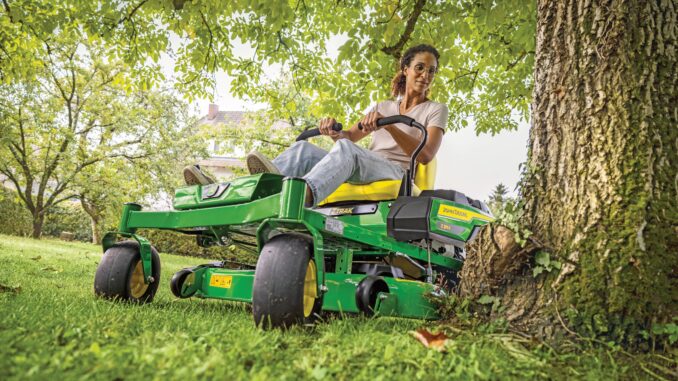
John Deere Z910A Repair, Troubleshooting and Maintenance Guide
The John Deere Z910A is a commercial-grade ZTrak zero-turn mower designed for fast, efficient mowing on larger residential properties, estates and light commercial turf. Depending on the version, it may be fitted with a 48-inch, 54-inch, 60-inch or 72-inch mower deck, and it uses a gasoline engine, hydrostatic drive system, electric PTO clutch and independent hydraulic wheel motors.
This John Deere Z910A repair guide covers practical troubleshooting, maintenance, common replacement parts, belt and blade work, service information, manuals, parts diagrams and frequently asked questions. It is written for owners who are comfortable handling routine maintenance and selected intermediate repairs, while clearly identifying repairs best left to a John Deere dealer or qualified mower technician.
General overview of the John Deere Z910A
The John Deere Z910A sits in the Pro Series ZTrak range. It is more robust than a typical homeowner zero-turn mower and was built for regular mowing, longer operating hours and demanding grass conditions. However, it still depends on routine cleaning, correct belt routing, clean cooling screens, sharp blades and properly maintained hydraulic components.
The main systems an owner should understand are:
-
Engine, fuel tank, fuel filter, air cleaner, spark plugs and cooling system
-
Mower deck, blades, blade spindles, pulleys, idler arms and deck belt
-
Hydrostatic traction system, hydraulic pumps, wheel motors and traction drive belt
-
Electrical system, battery, fuses, safety switches, ignition switch and PTO switch
-
Operator controls, parking brake linkage, seat switch and motion-control levers
Common John Deere Z910A service parts include:
-
Engine oil filter: AM125424
-
Fuel filter: AM116304
-
Spark plugs: M805853
-
Transmission oil filters: MIA881446
-
Battery: TY25221
-
Traction drive belt: TCU26349
-
48-inch mower blades: TCU14939
-
54-inch mower blades: M144652
-
60-inch mower blades: TCU15881
-
72-inch mower blades: TCU15882
-
48-inch mower deck belt: TCU26294
-
54-inch mower deck belt: TCU26295
-
60-inch mower deck belt: TCU26297
-
72-inch mower deck belt: TCU26298
Always confirm the Product Identification Number, deck size and installed engine before buying parts. Some John Deere Z910A parts vary by serial-number range, deck configuration and production year.manuals.deere
John Deere Z910A troubleshooting approach
Start with the symptom, not the part you think has failed. A mower that will not crank may have a weak battery, a brake switch issue, a PTO switch left engaged, a faulty seat switch, a blown fuse or a wiring problem. Replacing the starter before checking those basics can waste time and money.
The main John Deere Z910A symptom groups are:
-
Engine will not crank or will not start
-
Engine starts but runs poorly, surges, stalls or loses power
-
Uneven cut, striping, missed grass or poor discharge
-
Excessive vibration, rattling or belt squeal
-
Engine overheating, smoking or oil leaks
-
Weak traction, loss of drive or one side not pulling correctly
-
PTO will not engage or mower blades stop under load
-
Battery discharge, blown fuses or intermittent electrical faults
John Deere Z910A immediate repair needs
Certain faults should be dealt with before the mower is used again. Continuing to mow with a damaged blade, loose spindle, slipping belt, hydraulic leak or safety-system fault can cause larger repairs or create a serious injury risk.
Starting and safety-system problems
A John Deere Z910A that cranks unpredictably, starts only in certain lever positions or runs with failed safety switches needs attention before regular use. The safety interlock system is designed to prevent unintended blade engagement and mower movement.
Common causes include:
-
PTO switch left in the engaged position
-
Parking brake not fully applied
-
Motion-control levers not in neutral
-
Faulty seat switch
-
Faulty brake switch
-
Corroded battery terminals
-
Weak battery
-
Blown fuse
-
Damaged wiring near the engine or seat area
Basic checks:
-
Park on level ground, disengage the PTO and apply the parking brake.
-
Move both motion-control levers fully outward to the neutral-lock position.
-
Inspect battery terminals for corrosion, looseness and damaged cables.
-
Check the main fuses and replace only with the correct amp rating.
-
Test whether the mower’s starting behavior changes when the seat, brake or PTO controls are moved.
Do not bypass safety switches for normal operation. Temporary diagnostic testing should be performed only by an experienced technician using the service manual procedures.
Cut-quality problems
Poor cut quality usually appears as uncut strips, ragged grass tips, uneven height, clumps or one side of the deck cutting lower than the other. These faults are often caused by dull blades, deck buildup, incorrect tire pressure or a deck that is no longer level.
Common causes include:
-
Dull, bent or incorrectly installed mower blades
-
Grass packed under the deck shell
-
Loose or worn blade spindle bearings
-
Incorrect deck belt tension
-
Deck belt routed incorrectly
-
Uneven tire pressure
-
Deck pitch or side-to-side level out of adjustment
-
Mowing wet or overly tall grass too quickly
Basic checks:
-
Shut off the engine, remove the key and wait for all moving parts to stop.
-
Disconnect the spark-plug wires before working beneath the deck.
-
Check tire pressures and inflate tires evenly before adjusting the deck.
-
Inspect blade edges, blade balance and blade mounting hardware.
-
Clean accumulated grass from the underside of the deck.
-
Check that all blades turn freely with no grinding or side movement.
Vibration and noise
Do not ignore new vibration. A sudden vibration often points to a bent blade, damaged spindle, loose pulley, failing idler bearing or debris wrapped around a blade shaft. Continued operation can damage the deck shell, PTO clutch, engine crankshaft or spindle assemblies.
Common causes include:
-
Bent mower blade
-
Blade installed upside down
-
Loose blade bolt
-
Damaged blade spindle bearing
-
Cracked pulley
-
Worn idler pulley bearing
-
Sticks, wire or grass wrapped around a spindle
-
Deck belt damage
-
Engine mounting hardware loose
Basic checks:
-
Stop the engine immediately if vibration becomes severe.
-
Inspect every blade for bends, cracks and impact damage.
-
Check blade bolts for correct tightness using the operator’s manual specification.
-
Spin idler pulleys and spindle pulleys by hand with the belt removed.
-
Look for belt cords showing through, glazing or missing chunks of rubber.
-
Check for loose deck hardware and cracked mounting brackets.
Overheating and leaks
The John Deere Z910A relies on clean cooling screens, air passages and engine fins to control engine temperature. Dry grass, chaff and oily debris can quickly restrict airflow, especially during hot weather or frequent mowing in dusty conditions.
Common causes include:
-
Cooling screens blocked with grass and chaff
-
Debris packed around engine cooling fins
-
Low engine oil level
-
Dirty air filter
-
Fuel restriction causing lean running
-
Oil leak from filter, drain plug, gasket or seal
-
Hydraulic oil leak from hose, fitting or hydrostatic component
Basic checks:
-
Stop mowing if the engine smells hot, loses power or begins to smoke.
-
Allow the mower to cool fully before cleaning the engine area.
-
Check engine oil level on level ground.
-
Clean the engine screen, air intake area and exposed cooling surfaces.
-
Inspect for fresh oil or hydraulic fluid around hoses, filters and fittings.
-
Do not touch or loosen hydraulic lines while components are hot.
John Deere Z910A traction and drive problems
Weak traction, slow ground speed, jerky movement or one wheel failing to pull can result from a worn traction drive belt, low hydraulic oil, a stuck bypass valve, linkage issues or internal hydrostatic transmission trouble.
Common causes include:
-
Worn or slipping traction drive belt
-
Belt contaminated with oil or hydraulic fluid
-
Damaged idler pulley or tension spring
-
Hydrostatic bypass valves left open
-
Low hydraulic oil level
-
Hydraulic filter restriction
-
Air in the hydraulic system after service
-
Control linkage out of adjustment
-
Internal hydraulic pump or wheel-motor wear
Basic checks:
-
Make sure both hydrostatic bypass valves are fully closed before operating.
-
Inspect the traction drive belt for cracking, glazing and oil contamination.
-
Check for hydraulic leaks at filters, hoses, fittings and pump areas.
-
Confirm the parking brake is fully released.
-
Test each side carefully in an open area with the mower deck disengaged.
-
Stop using the mower if hydraulic oil is leaking or drive fades severely when hot.
Internal hydraulic diagnosis, pump replacement and wheel-motor repairs are generally dealer-level jobs.
Electrical and PTO problems
If the engine runs but the mower blades will not engage, inspect the PTO switch, safety switches, fuse protection, wiring and PTO clutch. A damaged deck belt or seized spindle can also make the PTO clutch appear faulty.
Common causes include:
-
PTO switch failure
-
Blown fuse
-
Weak battery or charging-system fault
-
Damaged PTO clutch wiring
-
Failed seat or brake safety switch
-
Seized mower spindle
-
Deck belt jammed or broken
-
PTO clutch failure
Basic checks:
-
Turn the key off before inspecting wiring or the clutch connector.
-
Check the fuse box for blown fuses of the correct rating.
-
Inspect the PTO clutch connector for corrosion, heat damage or loose terminals.
-
Confirm the deck belt and spindle pulleys turn freely by hand with the engine off.
-
Check battery voltage and cable condition.
-
Use a multimeter only if you are confident with basic electrical testing.
DIY or dealer repair guide
The John Deere Z910A is suitable for a capable owner who performs servicing carefully and follows the operator’s manual. Routine maintenance, blades, belts, filters and basic electrical inspection are realistic DIY work. Engine internal repairs, hydraulic system diagnosis, PTO clutch electrical testing and major deck structural repairs usually require better tools and technical experience.
Good DIY jobs
-
Changing engine oil and engine oil filter
-
Replacing air and fuel filters
-
Replacing spark plugs
-
Cleaning engine cooling screens and mower deck buildup
-
Sharpening or replacing mower blades
-
Replacing a mower deck belt
-
Replacing a traction drive belt if access and routing are understood
-
Checking tire pressure and deck level
-
Replacing a battery
-
Checking and replacing fuses
-
Replacing simple idler pulleys or deck gauge wheels
Advanced DIY or dealer jobs
-
Diagnosing a no-crank fault beyond battery and fuse checks
-
Testing PTO clutch voltage and clutch air gap
-
Replacing a PTO clutch
-
Rebuilding or replacing mower-deck spindles
-
Repairing damaged wiring harnesses
-
Hydraulic oil service and system bleeding
-
Replacing hydrostatic pumps or wheel motors
-
Engine carburetor, governor or internal engine repairs
-
Repairing cracked deck shells or damaged frame components
Skill level guide
-
Beginner: Cleaning, oil checks, air filter inspection, battery maintenance and tire-pressure checks
-
Intermediate: Blade replacement, deck belt replacement, spark plugs, fuel filters and deck leveling
-
Advanced: Electrical diagnosis, PTO clutch replacement, traction belt work, spindle replacement and hydraulic service
John Deere Z910A parts and part numbers
Before ordering any John Deere Z910A repair parts, record the full model name, Product Identification Number, deck size and engine identification numbers. The correct part can change between serial-number ranges, and deck parts are especially dependent on cutting width.
OEM parts are the best choice for belts, safety switches, PTO-related parts, mower-deck spindles and parts where exact fit is essential. Deck belts and traction belts are especially worth buying as genuine John Deere parts because an incorrect belt length, profile or cord construction can create poor tension and premature failure.
Quality aftermarket parts can be reasonable for engine oil, filters, batteries, mower blades and some pulleys, provided the replacement part cross-references exactly to the correct OEM number. Avoid unbranded belts, poorly machined blades and electrical components with unclear fitment information.
John Deere Z910A parts diagrams and manuals
Use the operator’s manual for scheduled maintenance, safety procedures, controls and everyday servicing. Use the parts catalog or John Deere parts lookup system to identify exploded diagrams and confirm exact component numbers.
Useful sources include:
-
John Deere Manuals and Training for operator’s manuals, technical manuals and parts catalogs
-
John Deere Parts for official parts lookup, maintenance products and model information
-
John Deere Technical Information Store for official operator and technical publication access
-
Green Farm Parts Z910A Maintenance Guide for a practical model-specific service-parts reference
The Z910A operator manual group covers maintenance intervals, replacement parts and operating procedures. John Deere also offers Technical Manual TM109119 for the Z910A and related Pro Series ZTrak models; it is intended for experienced technicians and includes repair, testing and diagnostic information.manuals.deere+1
How to locate John Deere Z910A serial and engine numbers
The Product Identification Number is essential when ordering deck components, drive parts, electrical items and serial-number-specific repair kits. The engine model and serial number are equally important when ordering ignition, fuel, air-cleaner or internal engine parts.
-
Park the mower on level ground, set the parking brake and remove the key.
-
Look for the John Deere identification label or plate on the mower frame, commonly near the rear frame, seat-support area or engine-compartment structure.
-
Write down the complete model, serial number and PIN exactly as shown.
-
Check the mower deck for any separate deck identification label if ordering deck-specific parts.
-
Locate the engine identification label directly on the engine shroud, valve-cover area or blower housing and record its model, specification and serial numbers.
Take a clear phone photo of every identification label before ordering parts. It is often faster than trying to read a dirty or faded plate at the dealer counter.
Buying John Deere Z910A parts online and in stores
Buy service parts by OEM part number rather than relying only on the words “fits Z910A.” A seller may group several mower models together even when deck widths, serial ranges or engine versions use different components.
-
Online: Compare the part number, deck width, serial range and product photos before ordering
-
Dealer counter: Best choice for serial-number-specific, safety-related, hydraulic and electrical parts
-
Retail stores: Suitable for common oil, grease, spark plugs, batteries and filters only when the package clearly cross-references correctly
-
Local mower shop: Useful for belt measurement, blade sharpening, spindle inspection and same-day repair support
Start with the official John Deere parts lookup, then compare availability with a Deere-focused supplier such as Green Farm Parts. For manuals and maintenance literature, use John Deere Manuals and Training.
John Deere Z910A fitting guide for common parts
Replacing the engine oil and oil filter
Fresh oil protects the engine during hot mowing, dusty work and repeated start-stop operation. Change oil with the engine warm enough to drain freely but cool enough to work safely.
-
Park on level ground, disengage the PTO, set the parking brake and remove the key.
-
Run the engine briefly if it is cold, then allow it to cool until components can be touched safely.
-
Place a drain pan under the engine drain point and remove the drain plug or open the drain valve.
-
Remove the old oil filter and clean the filter-mounting surface.
-
Lightly oil the gasket on the new AM125424 filter, install it by hand and refill with the correct engine oil.
-
Start the engine briefly, check for leaks, shut it down and recheck the oil level.
Do not overfill the crankcase. Check the operator’s manual for the correct oil grade and capacity for the installed engine.
Replacing the John Deere Z910A air filters
A restricted air filter can reduce power, increase fuel consumption and contribute to overheating. Replace a damaged or heavily soiled filter rather than trying to wash a paper element.
-
Stop the engine, remove the key and allow the engine to cool.
-
Open the air-cleaner cover carefully and note the position of the primary and secondary elements.
-
Remove the outer filter without knocking dirt into the intake opening.
-
Inspect the inner safety filter and replace it when required by the maintenance schedule or if contamination is present.
-
Wipe the air-cleaner housing with a clean lint-free cloth; do not blow debris into the intake.
-
Install the correct new filters and ensure the cover is sealed properly.
The Z910A may use wire-clip or plastic-clip air-cleaner housings, so confirm whether the machine takes MIU12457 and MIU12458 or MIU11747 and MIU11748 before ordering.
Replacing mower blades
New or correctly sharpened blades improve cut quality and reduce strain on the deck belt and spindles. Replace blades that are cracked, heavily worn, bent or damaged by impacts.
-
Park on level ground, disengage the PTO, set the parking brake and remove the key.
-
Disconnect spark-plug wires so the engine cannot start accidentally.
-
Raise the deck safely or remove it if that gives better access; support it securely.
-
Hold the blade with a wood block and remove the blade bolt using the correct socket.
-
Install the replacement blade with the cutting edges facing the correct direction and the lift wing oriented upward toward the deck.
-
Tighten blade hardware to the specification in the operator’s manual, then rotate each blade by hand to confirm clearance.
Sharpen blades evenly and balance them before refitting. An unbalanced blade can quickly damage spindle bearings.
Replacing a mower deck belt
A worn deck belt can squeal, slip, burn, leave uncut grass and prevent the PTO system from delivering full power to the blades.
-
Park the mower safely, remove the key and disconnect spark-plug wires.
-
Lower the deck to the lowest practical position and remove belt guards as required.
-
Photograph the existing belt routing before removal, or use the routing decal and parts diagram.
-
Release tension from the idler arm carefully using the correct tool or wrench.
-
Remove the old belt, inspect spindle pulleys and idler pulleys, then install the new belt in the correct path.
-
Refit guards, rotate the pulleys by hand and test the deck at low speed before mowing.
Never force a belt over a pulley with a screwdriver. This can cut belt cords, bend pulley guards and cause premature belt failure.
Maintenance to prevent John Deere Z910A problems
Most John Deere Z910A repair bills can be reduced through regular cleaning and inspection. The biggest threats are dirty cooling passages, overdue oil changes, neglected air filters, dull blades, worn belts and hydraulic leaks that are ignored until traction becomes weak.
Focus on these maintenance areas:
-
Starting reliability: Keep the battery charged, terminals clean and safety switches functioning
-
Cut quality: Keep blades sharp, deck clean, tires evenly inflated and deck level
-
Overheating prevention: Remove grass and chaff from engine screens, cooling areas and muffler zones
-
Drive performance: Inspect the traction belt, maintain hydraulic components and investigate leaks early
-
Electrical reliability: Check fuses, wiring connectors, PTO wiring and battery cables for corrosion or abrasion
-
Belt and pulley life: Replace damaged belts early and inspect idler bearings before they seize
John Deere Z910A maintenance schedule
Always use the operator’s manual for the exact service schedule applicable to your serial number and engine. The tasks below are a practical owner checklist based on the normal maintenance requirements for this ZTrak Pro Series platform.
Daily or before each use
-
Check engine oil level
-
Inspect the mower for fuel, oil and hydraulic fluid leaks
-
Remove grass and debris from the engine screen and air intake areas
-
Check tire condition and pressure
-
Inspect mower blades and deck belt for visible damage
-
Check that safety controls, parking brake and motion-control levers operate correctly
After the first 8 hours
-
Check engine oil level and inspect for leaks
-
Inspect deck belt tracking and belt condition
-
Check blade hardware and deck mounting hardware
-
Inspect traction drive belt condition
-
Remove accumulated debris from cooling areas
Every 25 hours
-
Clean the mower deck and engine-compartment debris
-
Inspect and clean the air-cleaner precleaner or primary filter as appropriate
-
Lubricate applicable grease fittings
-
Inspect mower blades for wear and damage
-
Check battery terminals and cable connections
Every 50 hours
-
Inspect deck belt, traction belt, idlers and pulleys
-
Check deck level and blade tip condition
-
Inspect fuel lines and fuel filter condition
-
Clean the engine cooling screen and surrounding engine area thoroughly
-
Inspect safety-switch wiring and PTO-clutch wiring
Every 100 hours or yearly
-
Change engine oil and replace the oil filter, following the engine’s official interval
-
Replace or service the air filter as required
-
Replace spark plugs if due for the installed engine
-
Inspect fuel filter and replace when required
-
Inspect hydraulic filters and hydraulic system condition
-
Check battery condition and charging performance
Every 200 hours or as specified
-
Replace hydraulic filters where specified by the official maintenance chart
-
Inspect hydraulic hoses, fittings and drive-system components
-
Check mower-deck spindle condition and pulley alignment
-
Inspect engine cooling fins and clean thoroughly
-
Have a dealer assess hydrostatic drive performance if traction is fading or uneven
Seasonal checklist
-
Spring: Change overdue oil, inspect belts, sharpen blades, clean cooling areas and test battery condition
-
Mid-season: Check deck level, inspect spindle bearings, replace damaged blades and clean the air filter
-
Fall: Remove grass buildup, inspect tires, check fuel-system condition and address leaks before storage
-
Storage period: Stabilize or manage fuel according to the engine manual, disconnect or maintain the battery and store the mower in a dry location
Repair, upgrade or replace?
A John Deere Z910A is usually worth repairing when the frame, deck shell, engine and hydrostatic system remain fundamentally sound. It is a commercial-style zero-turn mower, so normal maintenance parts, belts, blades, bearings and electrical components can often be repaired economically.
Repair if
-
The problem is limited to belts, blades, filters, switches, pulleys, batteries or deck adjustments
-
The engine starts easily and does not smoke excessively
-
Hydraulic drive remains strong after normal service
-
The deck shell and frame are structurally sound
-
Parts are readily available for the exact serial-number range
Upgrade if
-
You need a wider deck for a larger mowing area
-
You regularly mow rougher ground than the mower’s deck and suspension can comfortably handle
-
You need greater fuel capacity, a different deck style or more productive commercial features
-
Repeated mowing conditions require a mower with more power or a different tire setup
Replace if
-
The engine has severe internal damage and the repair cost is disproportionate to mower value
-
Hydrostatic pumps or wheel motors have failed alongside other major defects
-
The deck shell, frame and hydraulic system all require expensive repairs
-
Repeated repairs have made the mower unreliable for your workload
-
Parts availability for your exact configuration has become difficult
John Deere Z910A troubleshooting FAQ
1. Why will my John Deere Z910A not start?
Check the battery, battery terminals, main fuse, PTO switch, parking brake and motion-control lever positions first. The mower will not start if the safety interlock system does not see the correct control positions. If it clicks but will not crank, test battery condition and cable connections before replacing the starter.
2. Why does my John Deere Z910A crank but not fire?
Start with fuel quality, fuel level, fuel shutoff position, spark plugs and the air filter. Old fuel, water contamination or a plugged fuel filter can allow cranking without starting. If fuel and spark checks are inconclusive, investigate the engine’s ignition and fuel systems rather than repeatedly cranking the starter.
3. Why does the Z910A start and then stall?
A partially blocked fuel filter, contaminated fuel, dirty air filter or carburetor-related issue can cause a start-and-stall condition. Check that the fuel cap vent is working and that fuel flows freely through the filter. Also inspect for loose wiring at the seat switch or ignition circuit.
4. Why is my John Deere Z910A hard to start when hot?
Heat can expose a weak ignition component, poor battery connection, failing starter or restricted fuel supply. Clean the engine cooling system and make sure the battery and cables are in good condition. If the engine turns slowly only when hot, have the starter and charging system tested.
5. Why does the engine surge at idle?
Surging can be caused by stale fuel, a partially restricted carburetor circuit, dirty air filter or governor issue. Use fresh fuel, inspect the fuel filter and clean or replace the air filter. Persistent surge usually needs closer fuel-system diagnosis.
6. Why does the John Deere Z910A lose power in tall grass?
Tall, wet or dense grass puts more load on the engine and deck. Slow ground speed, raise the cutting height for the first pass and make sure blades are sharp. Also inspect the deck for packed clippings and check that the deck belt is not slipping.
7. Why does my Z910A leave strips of uncut grass?
Uncut strips usually mean dull blades, uneven deck level, low engine speed, incorrect overlap or a damaged blade. Verify tire pressures before leveling the deck because tire differences change cutting height. Replace bent blades and mow at full governed engine speed.
8. Why are grass tips ragged after mowing?
Ragged grass tips are normally caused by dull blades. Remove and sharpen blades evenly, or replace them if they are worn thin, cracked or badly nicked. Mowing wet grass can also make the cut look poor even with good blades.
9. Why does the mower discharge grass poorly?
Check for a clogged deck, dull blades, incorrect blade installation and a damaged or slipping deck belt. Wet grass and excessive ground speed can overwhelm the deck. Clean the underside of the deck only with the engine off and spark-plug wires disconnected.
10. Why does my John Deere Z910A vibrate badly?
Stop mowing and inspect the blades immediately. A bent blade, missing blade material, loose blade bolt or failing spindle bearing can create severe vibration. Do not continue mowing until the source is found because deck and engine damage can follow.
11. Why is there a squealing sound when I engage the mower deck?
A squeal can come from a slipping deck belt, worn idler pulley, seized spindle or belt contaminated with oil. Inspect belt condition, pulley alignment and the deck for grass buildup. A new belt will not solve the problem if a pulley or spindle is seized.
12. Why does the mower deck belt keep coming off?
Check routing against the belt diagram, then inspect all pulleys, belt guards, idler arms and springs. A bent belt guide, worn pulley bearing or damaged deck bracket can throw a belt. Use the correct belt for the exact deck size and version.
13. How often should I replace the John Deere Z910A deck belt?
Replace the belt when it is cracked, frayed, glazed, stretched, oil-soaked or slipping under normal load. There is no fixed replacement hour for every mower because mowing conditions vary. Inspect it regularly and replace it before it fails during heavy mowing.
14. Why do my mower blades keep loosening?
Blade bolts can loosen if threads are damaged, the mounting surfaces are dirty, the blade is installed incorrectly or the blade has struck an object. Inspect the spindle shaft and blade mounting area for damage. Tighten hardware to the factory specification, not by guesswork.
15. Can I sharpen John Deere Z910A mower blades myself?
Yes, provided the blade is not cracked, bent, severely worn or damaged around the mounting hole. Sharpen both ends evenly and balance the blade before installation. Replace blades with structural damage rather than attempting to repair them.
16. Why does one side of my Z910A pull weaker than the other?
Check tire pressures, parking-brake release, bypass valves and visible hydraulic leaks first. Inspect the traction drive belt and linkage for damage or poor adjustment. If the problem becomes worse after the mower warms up, internal hydraulic wear may be involved.
17. Why will my John Deere Z910A not move forward or reverse?
Make sure the hydrostatic bypass valves are closed and the parking brake is released. Inspect the traction drive belt and idler system for failure. If the belt is intact and both controls move normally, hydraulic system diagnosis may be required.
18. Why does the mower creep when the control levers are in neutral?
Creeping usually indicates a neutral-adjustment issue in the motion-control linkage or hydrostatic control system. Check that the levers return fully to neutral and that no linkage is bent or obstructed. Adjustment should follow the official manual procedure.
19. Why does the Z910A lose traction after it gets hot?
Heat-related loss of traction can indicate hydraulic fluid problems, restricted filters, air in the system or internal wear in a hydrostatic pump or wheel motor. Check for leaks and confirm maintenance history. Persistent hot-operation drive loss should be assessed professionally.
20. Why is there hydraulic oil under my John Deere Z910A?
Inspect the hydraulic filters, hose connections, fittings, pump area and wheel-motor areas. Clean the area first, then run the mower briefly and look for fresh fluid. Do not operate with a significant hydraulic leak because low fluid can damage expensive drive components.
21. Why will the PTO not engage on my John Deere Z910A?
Check the PTO switch, fuses, battery voltage, safety switches and wiring to the PTO clutch. Also inspect the deck belt and blade spindles, because a seized deck component may overload the clutch. Use a multimeter for electrical diagnosis only if you understand the circuit.
22. Why do the blades stop in heavy grass?
The deck may be overloaded by tall, wet grass, excessive ground speed or a packed deck. Slow down, raise the deck for the first pass and inspect blade sharpness. If the belt slips or the PTO clutch struggles even in normal grass, inspect the belt and deck components.
23. Why does the Z910A blow fuses?
A blown fuse can be caused by a short circuit, damaged wire insulation, failing PTO clutch, corroded connector or incorrect fuse rating. Never install a larger fuse to “solve” the issue. Inspect wiring around moving parts, heat sources and sharp metal edges.
24. Why does the battery keep going flat?
Check battery age, terminal corrosion, cable tightness and charging-system output. A battery can appear charged but fail under starter load. If the mower sits for long periods, use a suitable maintenance charger and investigate parasitic electrical drains if the issue continues.
25. Where is the John Deere Z910A fuse box?
Fuse location can vary slightly by production configuration, but it is normally in an accessible electrical area around the operator station, battery compartment or wiring harness. Consult the operator’s manual for the exact location and fuse layout. Replace fuses only with the specified amp rating.
26. Why is my John Deere Z910A overheating?
Most overheating problems begin with restricted airflow. Clean the engine screen, cooling fins, blower housing area and muffler zone after mowing in dusty or dry conditions. Check engine oil level, air-filter condition and grass accumulation before looking for more complex engine faults.
27. Why does my Z910A smoke after mowing?
Blue smoke can indicate oil burning, while white or gray smoke may come from oil spilled onto hot components or an overfilled crankcase. Black smoke can indicate an overly rich fuel condition or restricted air intake. Stop operation if smoke is heavy or persistent.
28. How often should I change engine oil on a John Deere Z910A?
Follow the interval in the operator’s manual and engine documentation for your specific machine. Many owners perform an early first service and then follow the scheduled hourly interval, commonly around 100 hours or annually depending on use and oil specification. Check oil before each use.
29. How often should I grease the mower deck?
Grease intervals depend on the specific component and operator’s manual schedule. Inspect grease fittings regularly and lubricate applicable pivot points, caster assemblies and other specified locations. Avoid forcing excessive grease into sealed bearings that are not designed for routine greasing.
30. How do I level a John Deere Z910A mower deck?
Start by setting all tire pressures correctly and parking on a level surface. Check side-to-side blade height, then adjust deck links according to the operator’s manual. Set front-to-rear pitch only after side-to-side level is correct.
31. Can I use aftermarket blades on the John Deere Z910A?
Yes, if they are made for the exact deck size and spindle mounting pattern. Choose a reputable brand and compare blade length, center-hole design, lift profile and thickness against the OEM blade. Poorly fitting blades can damage spindles, reduce cut quality and cause vibration.
32. Can I use an aftermarket deck belt?
A high-quality aftermarket belt may work if it precisely cross-references to the OEM belt number. However, genuine John Deere belts are usually the safer choice for deck and traction applications because belt length, profile and cord construction affect engagement and service life.
33. What does the Product Identification Number do?
The Product Identification Number identifies the exact mower configuration and production range. Dealers use it to match serial-number-specific parts, manuals, safety updates and repair information. Record it before ordering any electrical, hydraulic, deck or drive-system part.
34. Is a John Deere Z910A worth repairing?
Usually yes, if the mower has a sound engine, deck shell, frame and hydraulic drive system. Routine repairs such as belts, blades, filters, batteries, pulleys and switches are normally worthwhile. Consider replacement only when several major systems need expensive work at the same time.
35. When should I take my John Deere Z910A to a dealer?
Use a dealer or experienced mower technician for hydraulic drive faults, persistent electrical faults, engine internal repairs, major PTO-clutch diagnosis and structural deck repairs. Dealer support is also sensible when you need serial-number-specific parts confirmation or a technical-manual procedure.